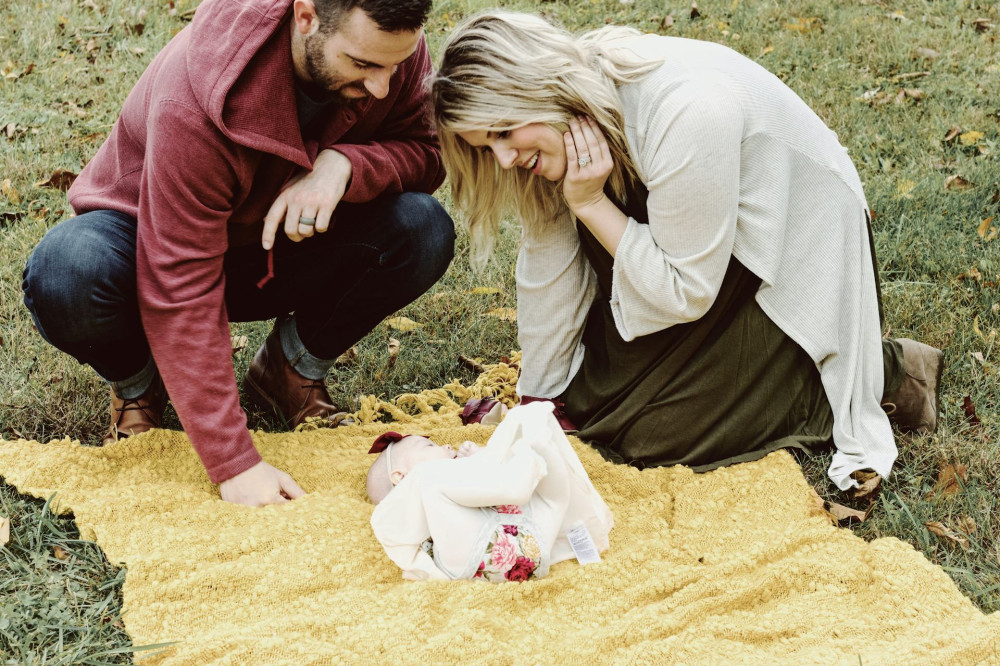
Shared Experiences, Strong Bonds: How to Strengthen Your Family Culture


Shared Experiences, Strong Bonds: How to Strengthen Your Family Culture
A strong family culture doesn’t just happen—it’s built through shared experiences, traditions, and everyday moments that connect you. In a world filled with busy schedules, screens, and individual pursuits, it can be challenging to maintain a sense of togetherness. But with intention and a little planning, you can create a family culture that fosters security, joy, and belonging—for both kids and adults.
What Is Family Culture?
Family culture is the collection of values, habits, and traditions that shape your life together. It’s how you talk to one another, how you celebrate milestones, and the routines that bring structure to your days. A strong family culture gives children a sense of identity and belonging—and gives adults a foundation of shared understanding and support.
It doesn’t have to be formal or elaborate. It might be a weekly pizza night, a special bedtime ritual, or a family motto you live by. What matters most is that it feels genuine and meaningful to your family.
Læs også:




Create Shared Experiences—Big and Small
Shared experiences are the glue that holds families together. They don’t have to cost much or require elaborate planning. The key is doing things together where everyone feels included and valued.
- Cook together – Let the kids pick a recipe and make dinner a team effort.
- Plan small adventures – A hike in a nearby park, a picnic at the beach, or a visit to a local museum can create lasting memories.
- Start your own traditions – Maybe it’s a Sunday pancake breakfast, a yearly camping trip, or a Friday movie night.
- Celebrate everyday wins – Recognize small achievements, like finishing a tough project or helping a sibling.
When you share experiences, you create stories and memories that become part of your family’s shared identity.
Talk About Your Values—and Live Them
A strong family culture is rooted in shared values. These might include kindness, honesty, curiosity, or teamwork. The important thing is to talk about what matters to you—and to show it through your actions.
If openness is one of your values, practice it by listening to each other and encouraging honest conversations. If you value generosity, find ways to volunteer together or help neighbors in need.
Children learn most from what they see. When they witness values being lived out, those values become part of who they are.
Make Time for Connection
In a busy household, finding time for one another can be tough. But connection doesn’t require hours—it requires attention. Turn off screens during meals, sit together without distractions, and be present in the moment.
Try building small “family pauses” into your week: a walk after dinner, a quick board game before bed, or a morning chat over breakfast. These small moments show that you prioritize each other, even in the middle of a hectic schedule.
Traditions That Bring You Together
Traditions are the heartbeat of family culture. They create a sense of continuity and something to look forward to. They can be tied to holidays, but they can also be unique to your family.
Maybe you always bake cookies on birthdays, watch the same movie every Thanksgiving, or take a photo together on the first day of school. It’s not the size of the tradition that matters—it’s the meaning behind it. When children grow up with consistent traditions, they carry that sense of stability and connection into adulthood.
Embrace Individuality
A strong family culture doesn’t mean everyone has to be the same. In fact, it thrives when there’s room for individuality. Listen to each other’s needs and find a balance between togetherness and personal space.
That might mean spending some evenings together and others pursuing separate interests. What matters is that everyone feels respected and included. When family members know they can be themselves, trust and closeness naturally grow.
A Living, Evolving Culture
Family culture isn’t something you “finish.” It evolves as your children grow and life changes. It’s helpful to check in from time to time—what’s working, what’s not, and what new traditions or values you want to add.
Maybe some routines need adjusting, or new priorities are emerging. The key is to keep creating an environment where everyone feels connected, even as your family’s rhythm shifts.
Bonds That Last
When you invest time and attention in your family culture, you build a foundation that lasts far beyond the day-to-day. Shared experiences and strong bonds bring joy in good times and resilience in challenging ones.
A family with a clear sense of who they are stands stronger—because you know what you value, how you support one another, and what makes you, you. That’s the kind of connection that endures, no matter where life takes you.
Læs også: