The Relationship as a Mirror: Learn and Grow Together as a Couple


The Relationship as a Mirror: Learn and Grow Together as a Couple
A relationship is more than love, companionship, and shared routines—it’s also a mirror that reflects who we are. When two people share their lives closely, differences, habits, and emotions become visible. This can lead to friction, but it also offers a powerful opportunity for personal and mutual growth. Seeing your relationship as a mirror means using it as a space for learning, understanding, and evolving together.
When Love Reflects Ourselves
At the beginning of a relationship, we often see the best in each other. We’re drawn to what feels exciting, inspiring, and new. But as time passes, everyday life reveals sides of both partners that can be harder to handle. Maybe you get frustrated by your partner’s calmness because you struggle to slow down yourself. Or you feel unseen because you crave a kind of attention you haven’t learned to give yourself.
When we dare to look at our reactions, we often discover that they say more about us than about our partner. The relationship becomes a mirror, showing us where we still have room to grow—whether in patience, boundaries, communication, or self-worth.
Communication as the Key to Understanding
Growing together requires open and honest communication—not just about practical matters, but about the emotions underneath. Many conflicts arise because we react to each other without understanding what’s really going on inside.
Try using “I” statements instead of “you” statements. Instead of saying, “You never listen,” try, “I feel unheard when we talk about this.” This shift moves the focus from blame to understanding and makes it easier to reconnect.
It can also help to set aside time for conversations where the goal isn’t to fix anything, but simply to listen. Being heard without interruption builds trust and closeness—and allows you to reflect each other in a loving way.
Differences as Strengths
No two people are alike, and it’s often the differences that make a relationship vibrant. One partner might be spontaneous while the other prefers structure. One might seek calm, the other energy. Instead of seeing these differences as problems, you can view them as opportunities for balance.
When you become aware of how your partner’s way of being affects you, you can use it as inspiration. Maybe you can learn to let go a little more, while your partner learns to plan a bit more. In this way, you become each other’s teachers—not to change one another, but to expand your shared perspective.
Taking Responsibility for Your Own Part
A healthy relationship is built on both partners taking responsibility for their own feelings and reactions. This doesn’t mean carrying everything alone, but recognizing that your experience of a situation is shaped by your own history and needs.
When you feel irritation, jealousy, or distance, ask yourself: What is this really about for me? What am I longing for or afraid of? Such reflections can transform conflict into insight—and deepen your understanding of each other.
Læs også:


Shared Growth Requires Courage and Curiosity
Growing together takes courage—to be honest with yourself and your partner—and curiosity, a willingness to look at what’s happening between you without judgment. When you meet each other with openness, your relationship becomes a place where both of you can evolve as individuals.
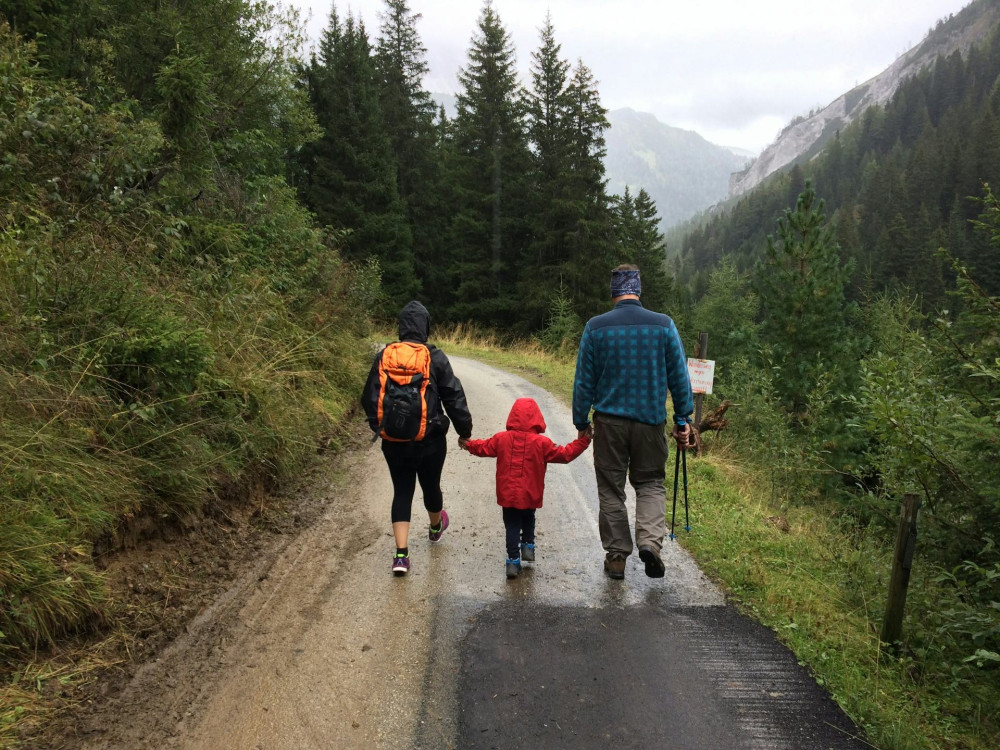
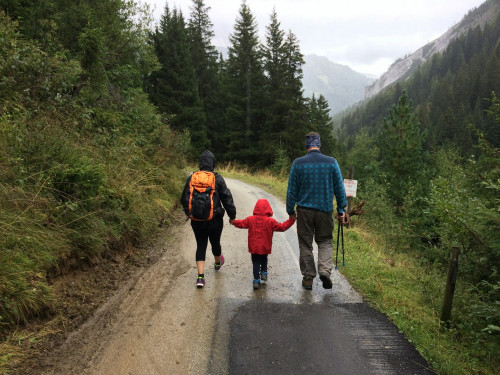
It can help to create small rituals that strengthen your connection: a weekly walk without phones, a shared reflection on the week, or simply a daily moment to look into each other’s eyes and ask, “How are you really doing today?”
The Relationship as a Living Mirror
A relationship is never static—it moves, changes, and reflects the life stages you go through together. Some periods feel light and full of love; others require patience and effort. But in every phase lies the potential for learning—about yourself and about each other.
When you see your relationship as a mirror, it becomes not only a source of comfort but also a space for growth. It’s not about being perfect—it’s about being willing to see, listen, and learn, together.
Læs også: