When Children Learn in Their Own Way – How to Support Their Motivation and Curiosity


When Children Learn in Their Own Way – How to Support Their Motivation and Curiosity
Every child learns — but not in the same way. Some thrive on structure, books, and clear instructions, while others learn best by touching, experimenting, and asking endless questions. As a parent or caregiver, it can be challenging to find the right balance between guiding and giving space. But when you understand how your child learns, you can help them keep their natural curiosity and love of discovery alive.
Learning Happens Everywhere – Not Just in School
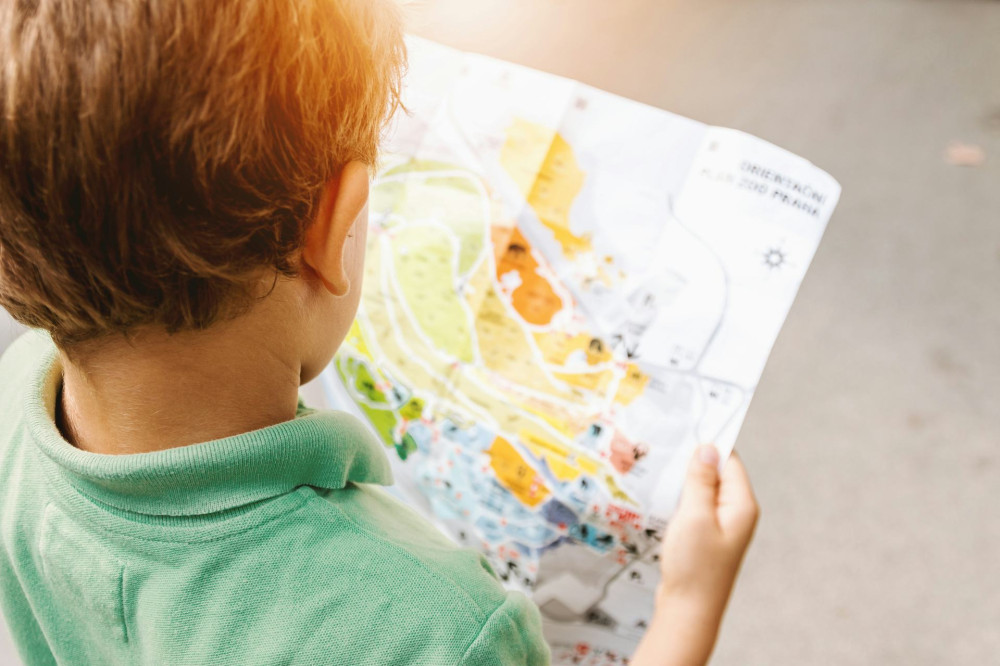
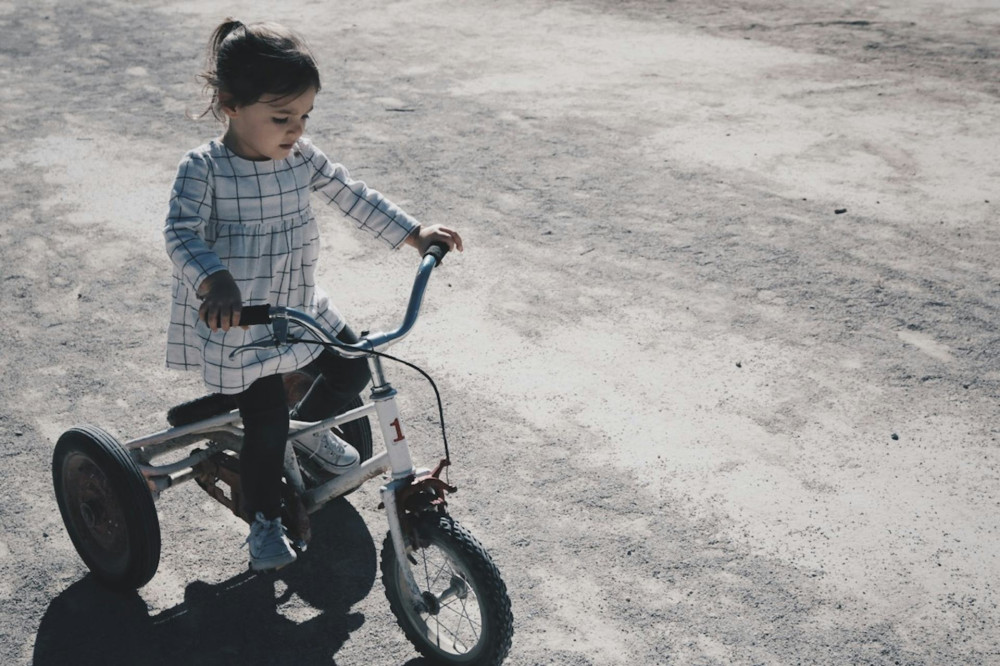
Many people associate learning with classrooms, homework, and grades. But children are learning all the time — when they play, help in the kitchen, build forts, or ask questions about how the world works. This kind of informal learning is often the most powerful because it grows out of the child’s own interests.
You can support this by paying attention to what captures your child’s attention. Maybe it’s animals, music, building things, or stories. When you start from what fascinates your child, learning becomes a natural part of everyday life — not a chore.
Discover How Your Child Learns Best
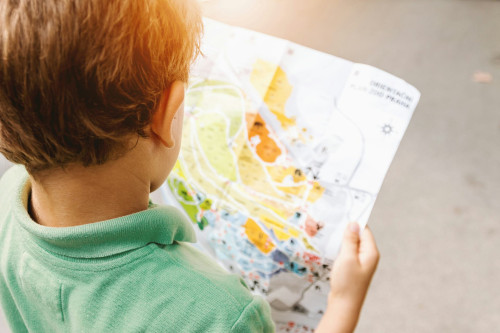
There’s no single “right” way to learn. Some children learn best by listening, others by seeing, and many by doing. Try to observe how your child approaches new challenges:
- The visual learner understands through images, colors, and organization. Use drawings, charts, or visual schedules.
- The auditory learner learns through sound and conversation. Talk about topics, listen to audiobooks, or make up rhymes together.
- The kinesthetic learner learns through movement and hands-on activity. Let them build, experiment, or move while learning.
When you adapt activities to your child’s learning style, they experience more success — and that success fuels motivation.
Create a Safe Space for Mistakes and Experimentation
Motivation grows when children feel safe to try, fail, and try again. If learning becomes tied too closely to performance or grades, curiosity can fade quickly. That’s why it’s important to create an environment where mistakes are seen as part of the process.
Praise effort rather than outcome. Ask, “What did you learn from that?” instead of “Did you get it right?” This helps your child see learning as a journey, not a competition.
Allow Time for Rest and Deep Focus
In today’s busy world, it’s easy to fill every hour with structured activities. But children need time to slow down, get bored, and explore on their own. It’s often in those quiet moments that creativity and curiosity bloom.
Let your child choose what to dive into — even if it doesn’t seem “educational” at first glance. Building with blocks, drawing, or imaginative play can all develop problem-solving, creativity, and social skills.
Be Curious Together
One of the best ways to support your child’s motivation is to show your own curiosity. Ask questions, wonder out loud, and admit when you don’t know something. When children see that learning is a lifelong adventure, they’re more likely to stay curious themselves.
You might say, “I’m not sure — should we find out together?” That simple invitation turns learning into a shared experience rather than a test.
Læs også:


Balance Support and Independence
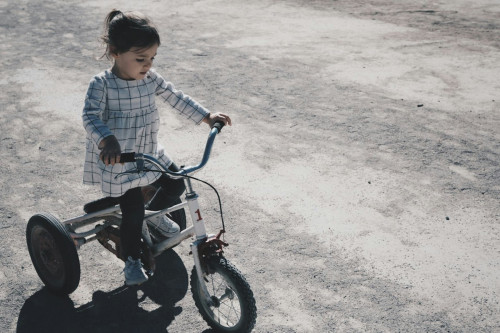
It’s natural to want to step in when your child struggles, but learning also requires space to try things independently. Offer help when needed, but gradually step back so your child can experience the satisfaction of figuring things out on their own.
Small successes build confidence — and that confidence is what keeps motivation alive.
Learning as a Joyful Part of Life
When children are allowed to learn in their own way, their confidence and joy in discovery grow. Learning becomes not just a task, but a way of engaging with the world. And that may be the greatest gift you can give your child: the lifelong desire to keep exploring, questioning, and learning wherever life takes them.
Læs også: