Cemeteries in Transition: From Tradition to a Green and Ecological Whole

Cemeteries in Transition: From Tradition to a Green and Ecological Whole
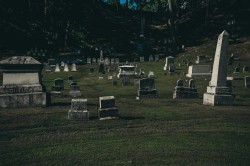
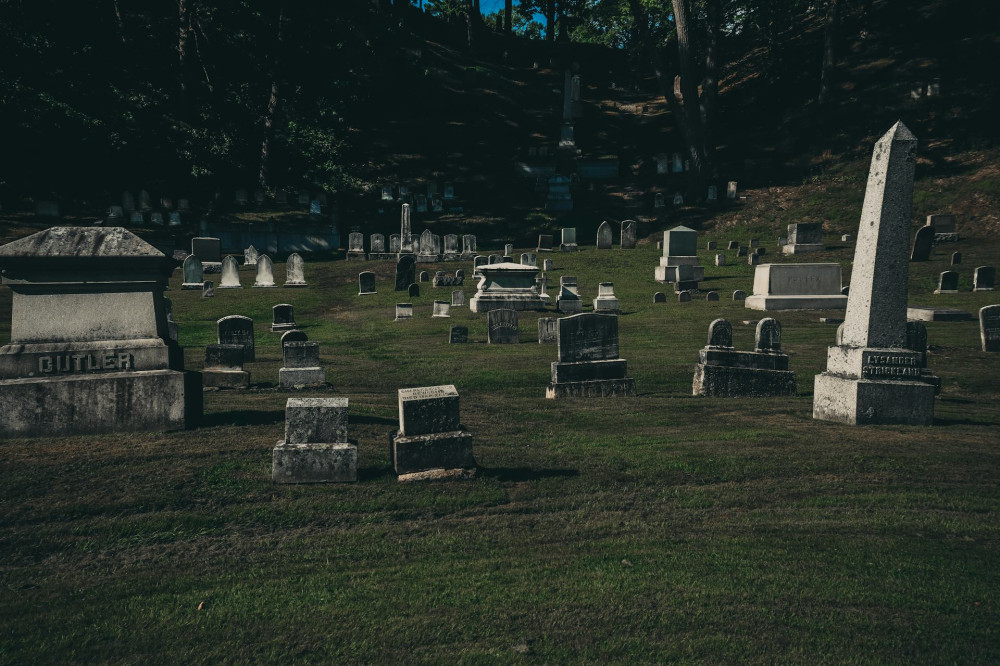
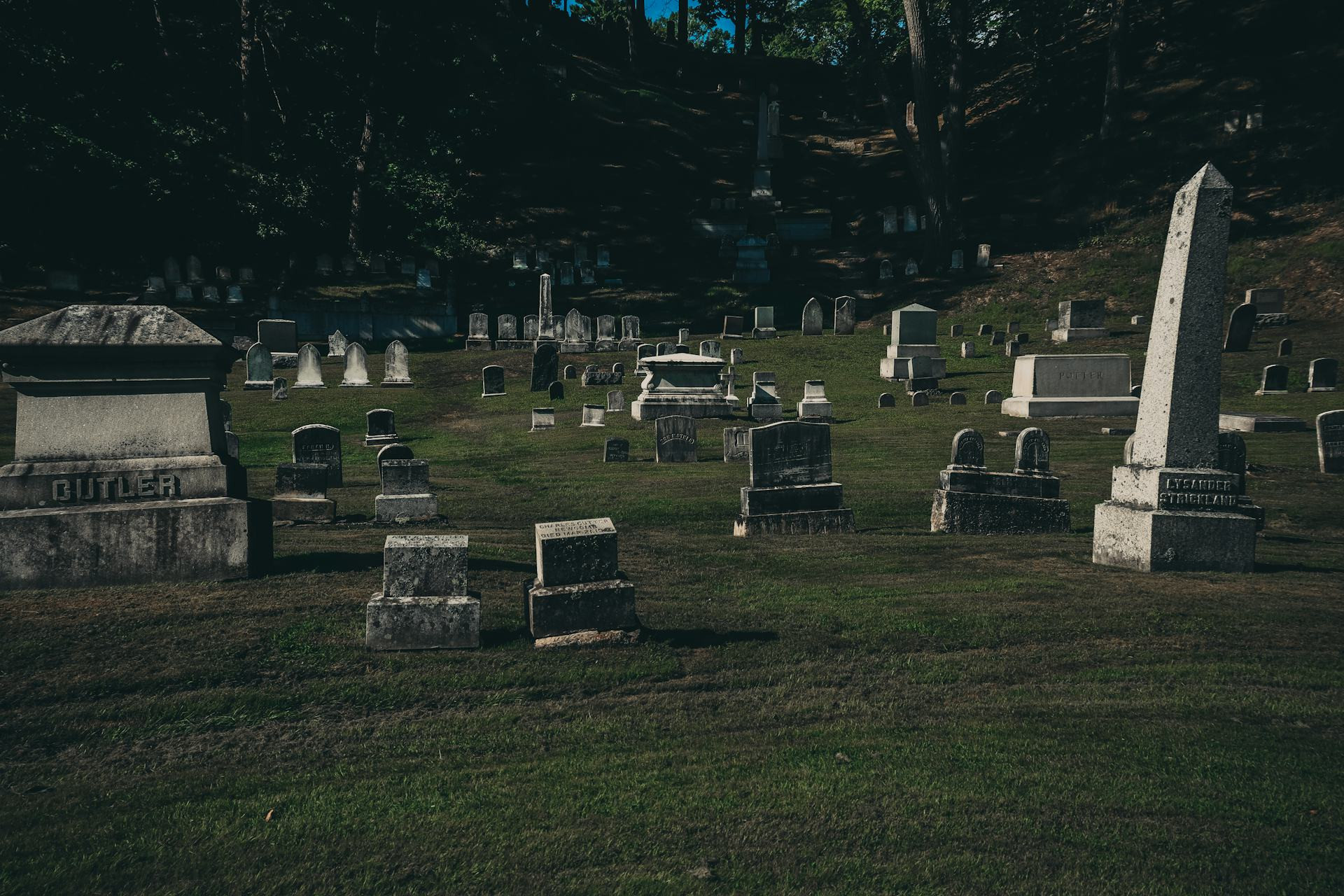
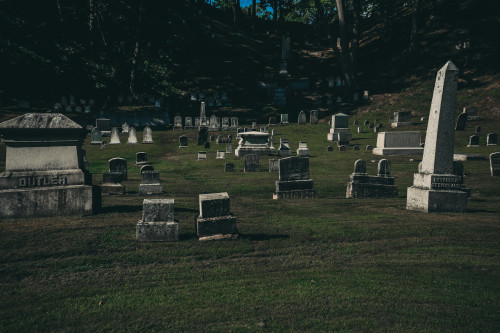
For generations, cemeteries in the United States have been places of remembrance, reverence, and tradition. Yet as society changes, so too does our relationship with death, nature, and sustainability. Across the country, cemeteries are undergoing a quiet transformation—from manicured lawns and marble headstones to living landscapes that honor both memory and the environment.
From Burial Ground to Green Sanctuary
Where cemeteries were once seen primarily as solemn resting places, they are increasingly being reimagined as green sanctuaries within urban and rural settings. Cemetery managers, municipalities, and nonprofit organizations are exploring ways to make these spaces more ecologically responsible and welcoming to the living as well as the dead.
Traditional lawns are giving way to native meadows, chemical fertilizers and pesticides are being phased out, and old trees are preserved as habitats for birds and pollinators. The goal is not only aesthetic renewal but also ecological restoration—creating places where life and death coexist in harmony.
Læs også:
New Forms of Burial and Remembrance
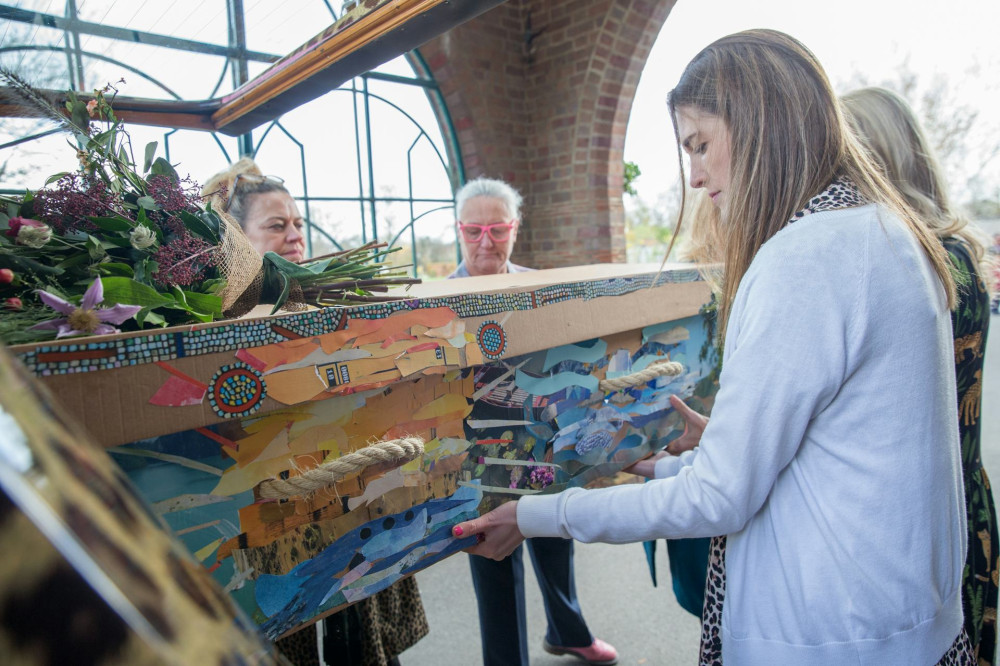
While traditional burial plots remain common, many Americans are seeking alternatives that align with their environmental values. Green burials, natural cemeteries, and conservation burial grounds are gaining popularity. These options avoid embalming fluids, metal caskets, and concrete vaults, allowing the body to return naturally to the earth.
Some cemeteries now offer green burial sections, where graves are marked with native plants or simple natural stones instead of polished granite. Others provide communal memorial gardens or forested areas where ashes can be scattered. These approaches emphasize simplicity, renewal, and a deeper connection to the cycles of nature.
Cemeteries as Community Spaces
As cities grow denser and green space becomes more precious, cemeteries are also being rediscovered as places for quiet reflection and community engagement. Many are opening their gates for guided nature walks, birdwatching, art installations, and educational programs about local ecology and history.
This shift does not diminish respect for the deceased—it deepens it. By integrating life and remembrance, modern cemeteries are becoming shared spaces where people can mourn, meditate, and reconnect with the natural world.
Sustainability in Practice
The move toward greener cemeteries also involves rethinking daily operations. Electric maintenance equipment, composting of plant waste, and rainwater collection systems are becoming more common. Some cemeteries are experimenting with solar lighting or reusing old headstones and materials to reduce waste.
These efforts reflect a broader commitment to sustainability and circular thinking: How can cemeteries contribute to local biodiversity? How can they serve as part of a city’s green infrastructure? Such questions are shaping the future of cemetery management across the country.
A New Way to Say Goodbye
For many families, choosing a burial or memorial that reflects their environmental values feels like a natural extension of how they lived. Green cemeteries offer a way to say goodbye that is both meaningful and mindful—one that honors the earth as much as the individual.
This evolution does not erase tradition; it expands it. The growing movement toward ecological burial shows that even the most time-honored institutions can adapt to modern values while preserving their spiritual essence.
A Living Legacy
Walking through a green cemetery today, one senses that these places are not only about death but also about life. The rustle of leaves, the hum of insects, and the changing seasons remind us that everything is connected.
The cemetery is no longer just a resting place—it has become a living landscape, where memory, nature, and renewal come together in a new and enduring whole.
Læs også: