Green Caskets: When Sustainability Becomes Part of the Final Journey

Green Caskets: When Sustainability Becomes Part of the Final Journey
Sustainability has become a guiding principle in nearly every part of modern life—from the food we eat to the energy that powers our homes. For many Americans, that sense of environmental responsibility now extends to the end of life as well. Green burials and eco-friendly caskets are gaining attention as people seek farewells that reflect their values. It’s not just about materials, but about rethinking how we honor both the person and the planet.
From Tradition to Conscious Choice
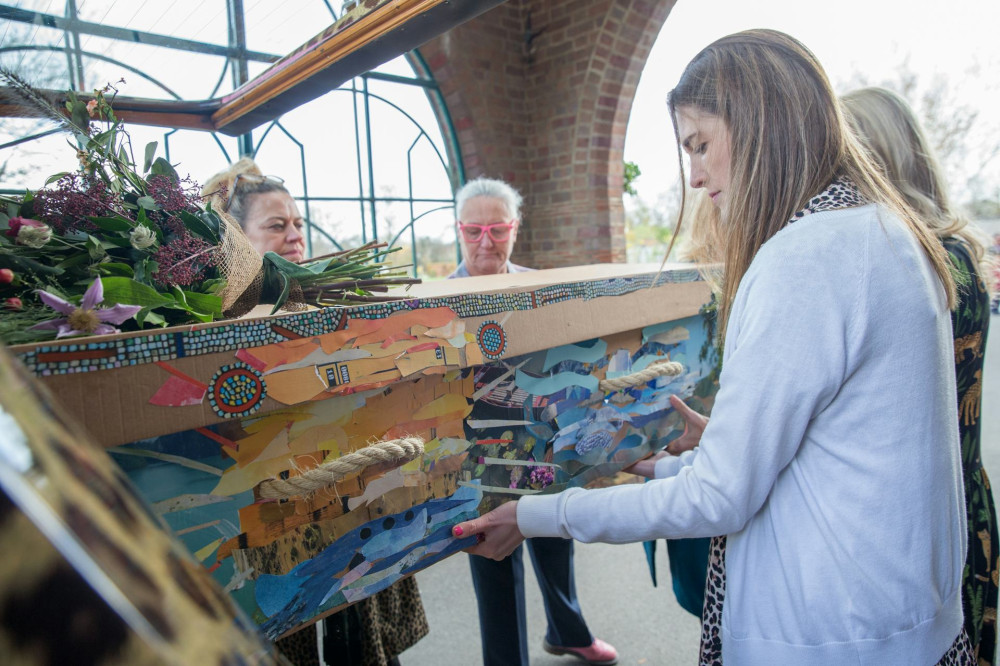
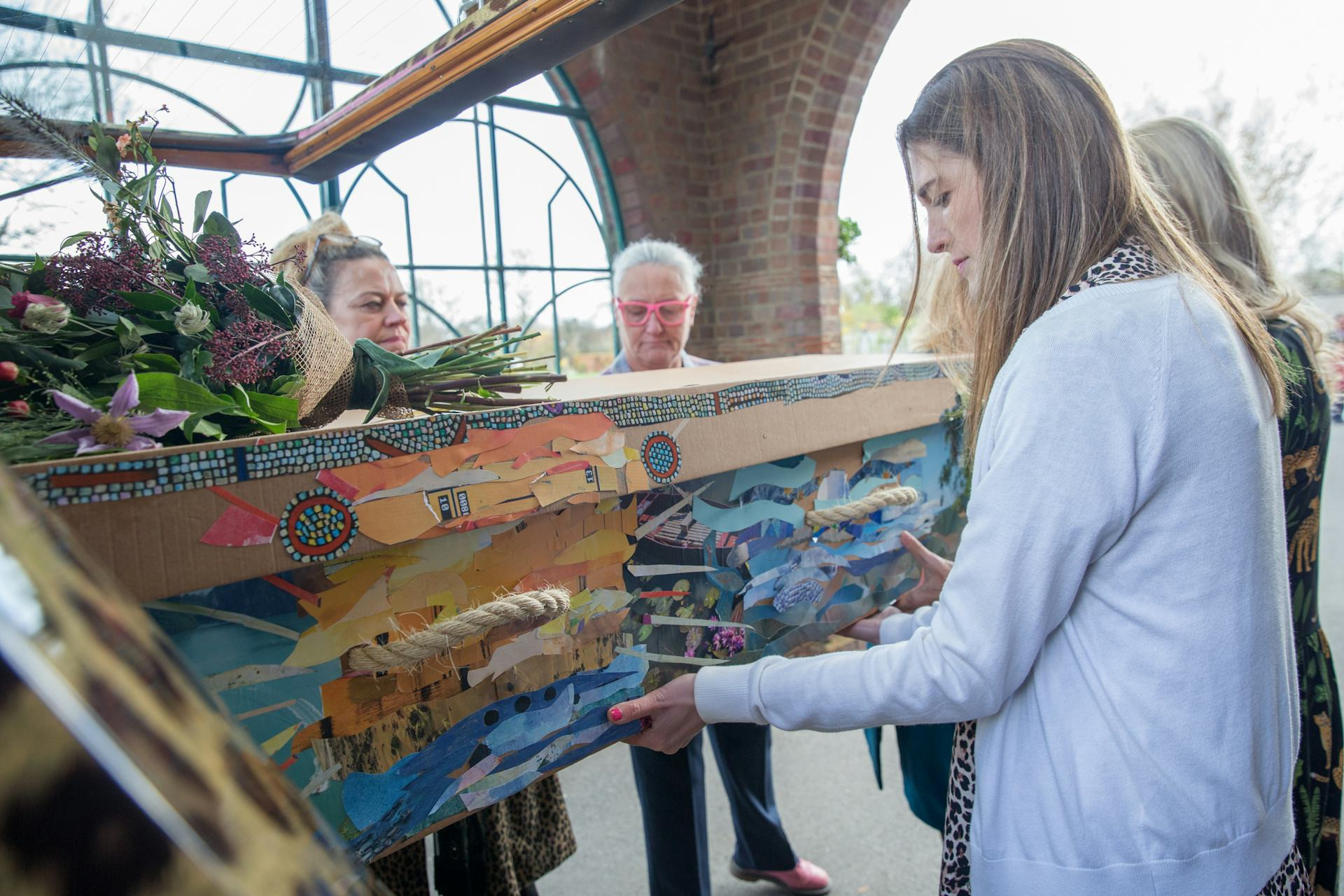
Conventional caskets in the United States are often made from hardwoods, metal, and synthetic finishes that slow down natural decomposition. In contrast, green caskets are designed to return gently to the earth. They’re typically made from sustainably sourced wood, bamboo, willow, or even biodegradable cardboard. Some innovators are experimenting with hemp, mushroom-based materials, or woven fibers that naturally break down and enrich the soil.
The commitment to sustainability can extend beyond the casket itself. Linings, pillows, and shrouds can be made from organic cotton, wool, or unbleached linen. Adhesives and finishes are chosen for their low environmental impact, ensuring that every element of the burial supports a cycle of renewal rather than waste.
Læs også:

A New Way to Say Goodbye
For many families, choosing a green casket is as much about meaning as it is about the environment. There’s comfort in knowing that a final act can be one of harmony with nature. Some families hold ceremonies outdoors—in forests, meadows, or conservation areas—where the surroundings reflect the natural cycle of life and renewal.
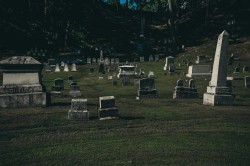
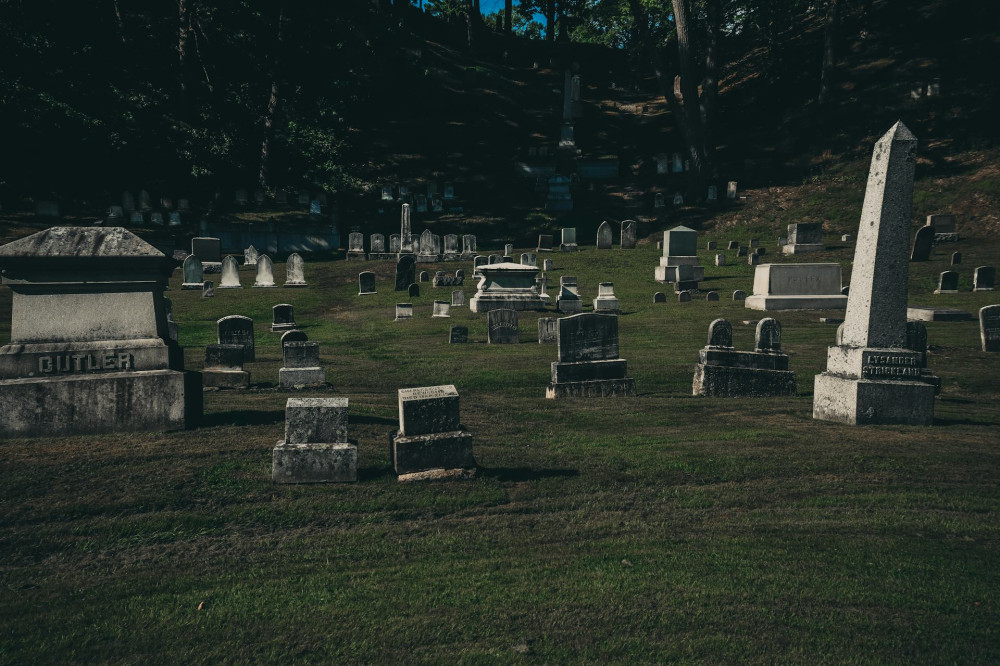
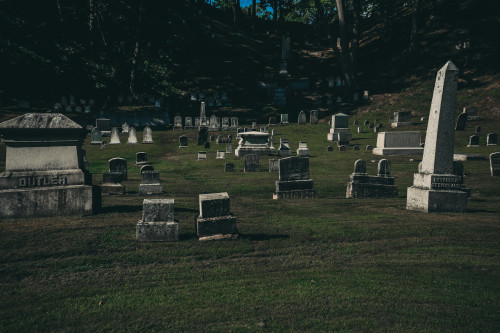
Across the country, more cemeteries are designating “green burial” sections or partnering with conservation organizations to create natural burial grounds. These spaces often forgo traditional headstones and manicured lawns in favor of native plants and open landscapes. The result is a peaceful, living memorial that evolves with the seasons.
Cremation and Its Environmental Impact
Cremation remains the most common choice in the U.S., but it comes with an environmental cost. The process consumes significant energy and releases carbon emissions. In response, some crematories are adopting filtration systems to reduce pollutants, while new technologies—such as water-based cremation (alkaline hydrolysis)—are emerging as lower-impact alternatives. These methods use less energy and avoid direct combustion, offering a gentler option for those concerned about their ecological footprint.
For those who prefer burial, a green casket combined with a natural cemetery can be a meaningful and sustainable alternative, one that aligns with both personal and environmental values.
Personal Choices with Purpose
Planning a sustainable farewell doesn’t mean abandoning tradition—it means adapting it thoughtfully. Families might choose locally grown, seasonal flowers instead of imported arrangements, or replace plastic decorations with natural materials like stones, branches, or moss. Some funeral homes now offer electric vehicles for transport, and many are working to reduce waste and energy use in their operations.
These small choices add up, showing that sustainability and dignity can coexist beautifully. A green burial can be as personal and heartfelt as any traditional service, while also contributing to a healthier planet.
A Step Toward a Greener Legacy
Choosing a green casket is a modest but powerful gesture—a way to ensure that even our final act reflects care for the world we leave behind. It reminds us that sustainability isn’t just about how we live, but also how we depart. For many, that knowledge brings comfort: that the end of one life can help nurture the beginning of another, continuing the cycle of renewal that defines the natural world.
Læs også: