Meaningful Material Mix: How to Create Harmony in Your Home

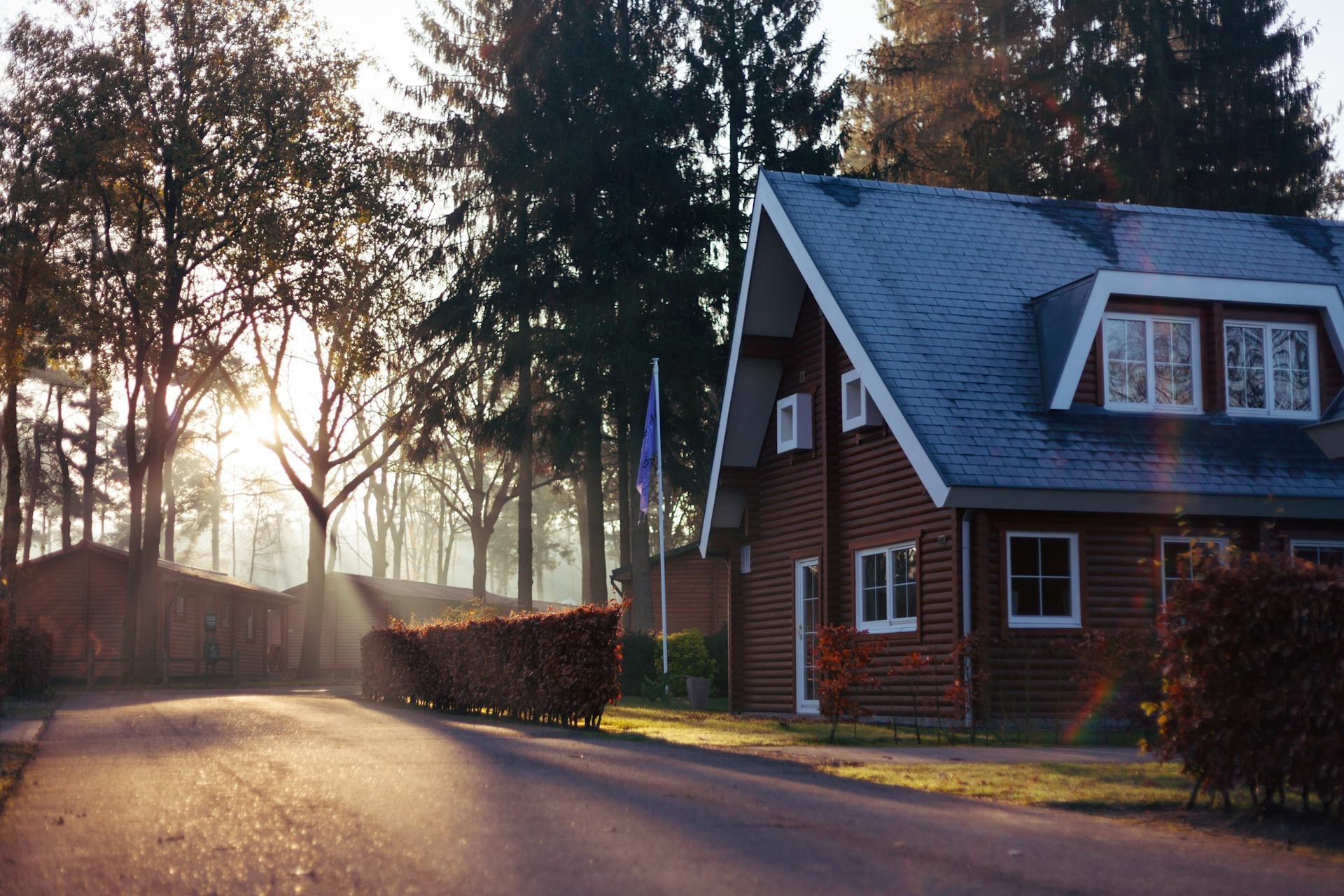
Meaningful Material Mix: How to Create Harmony in Your Home
Blending different materials in your home can bring warmth, depth, and personality to your space – but it takes intention. Too many contrasts can feel chaotic, while too few can make a room fall flat. The key is finding balance among textures, colors, and finishes so that everything feels cohesive. Here’s how to create a meaningful material mix that brings harmony to your home.
Begin with a Solid Foundation
A successful mix starts with a base that ties the room together. This could be a neutral wall color, hardwood flooring, or a consistent textile like curtains or an area rug. The base acts as a calm backdrop, allowing other materials to shine.
Choose a foundation that fits your home’s architecture and style. A Craftsman bungalow might call for warm woods and natural fibers, while a modern loft with exposed brick and steel beams can handle sleek surfaces like glass and concrete.
Play with Contrast – Thoughtfully
Contrast adds life and interest to a space. Think of the interplay between rough and smooth, matte and glossy, cool and warm. A reclaimed wood dining table feels fresh when paired with velvet chairs, and a marble countertop becomes more inviting when softened with woven baskets or linen accents.
The trick is to let contrasts complement rather than compete. Choose one or two dominant materials and use others as accents. This keeps the look dynamic yet balanced.
Let Nature Be the Connector
Natural materials have a grounding effect that brings harmony to any interior. Wood, stone, wool, linen, and leather add warmth and texture, making a room feel more inviting. They also bridge different styles – a walnut coffee table, for example, can link a modern metal lamp with a vintage ceramic vase.
Consider repeating natural materials throughout your home. This creates a visual thread that ties spaces together and makes the overall design feel intentional.
Læs også:



Think in Textures and Finishes
When mixing materials, it’s not just about what they are made of, but how they feel and interact with light. A matte wall absorbs light and creates calm, while a glossy surface reflects it and adds energy. Combining different textures can make even a neutral color palette feel rich and layered.
Try pairing coarse and smooth surfaces: a chunky knit throw on a leather sofa, or a rough linen runner beneath a polished ceramic bowl. These tactile contrasts add depth and sensory appeal.
Use Color to Unite the Mix
Color is the glue that holds a material mix together. If you’re working with a variety of textures, a cohesive color palette can bring everything into harmony. Repeat colors in small details – a brass lamp, a picture frame, or a chair leg – so the eye perceives continuity.
A good rule of thumb is to choose three to five complementary shades that flow through your home. This gives you freedom to experiment with materials without losing balance.
Add Personality Through Details
A meaningful material mix isn’t just about aesthetics – it’s about telling your story. Family heirlooms, travel finds, and handmade pieces add soul and authenticity. A vintage stool can sit beautifully beside a sleek metal table if both have purpose and personal significance.
It’s in the meeting of the personal and the beautiful that your home gains character – and your material mix becomes truly meaningful.
Leave Room to Breathe
Even the most thoughtful design needs moments of calm. Make sure there are surfaces and spaces where the eye can rest – a plain wall, a simple rug, or an uncluttered corner. These pauses allow each material to stand out and be appreciated.
Harmony Is About Balance
A harmonious home isn’t one where everything matches – it’s one where contrasts coexist in balance. When you mix materials with care and intention, you create a space that feels both lively and serene, modern yet timeless. That’s where the material mix finds its meaning – and where your home becomes uniquely yours.
Læs også: