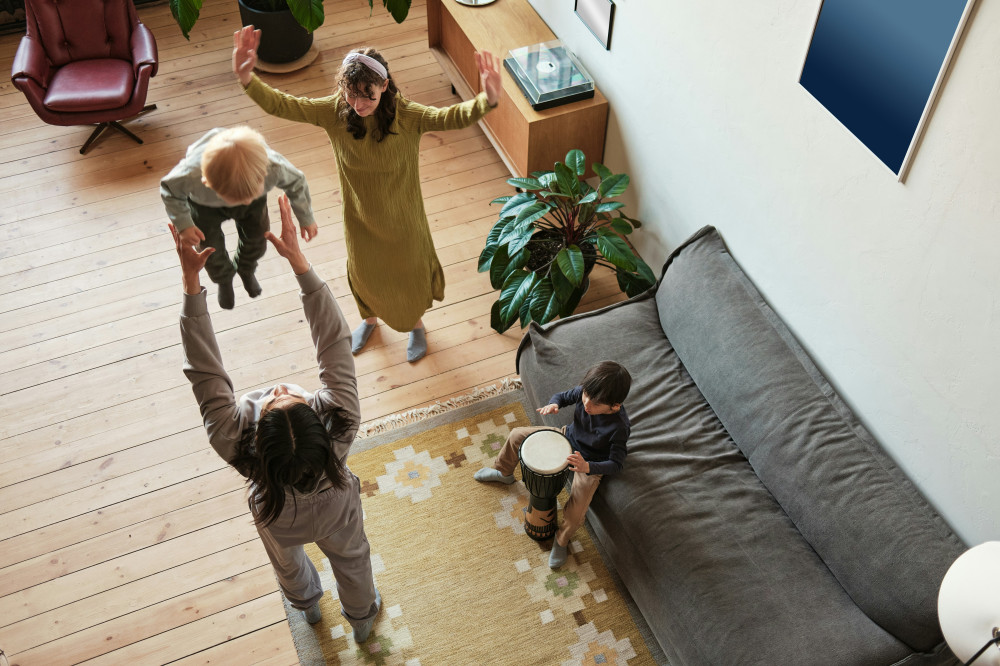
The modern family - how do you create balance in everyday life?
This e-book will help you find the right balance between work life and family life. With practical advice and strategies, you get tools to handle stress and create time for family ties and quality time.
Get your e-book now

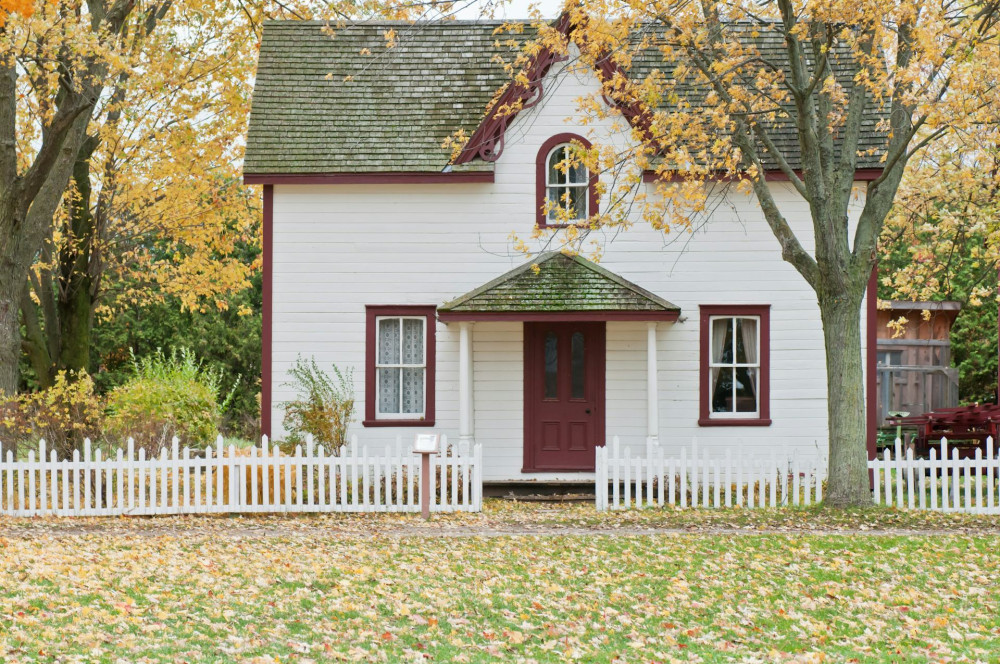
Repetition Creates Calm: A Simple Path to a Harmonious Interior Style

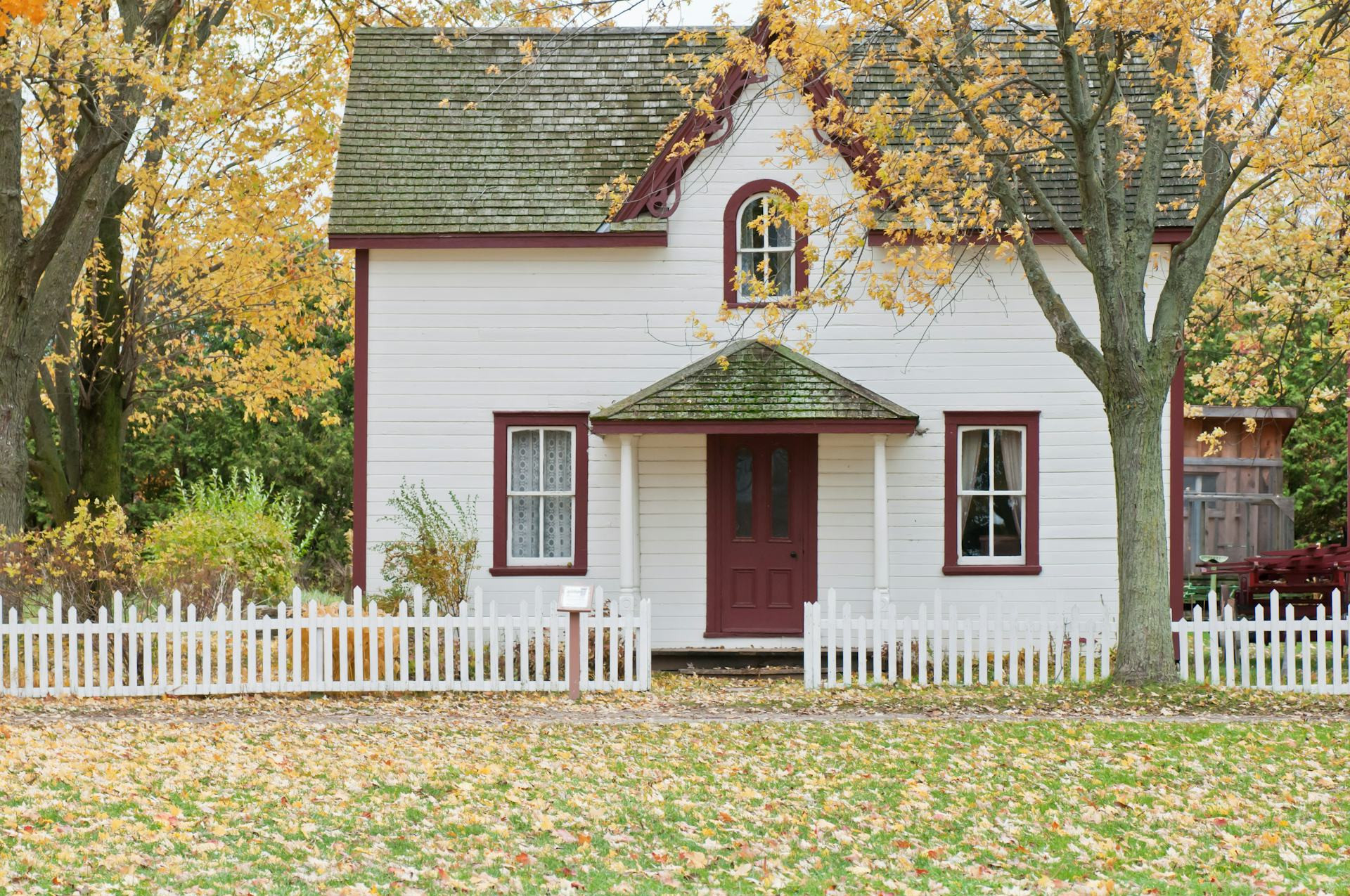
Discover how repeating colors, shapes, and materials can bring balance and serenity to your home
The home
The home
5 min
Learn how the simple design principle of repetition can transform your interior into a calm and cohesive space. From color palettes to patterns and textures, explore how consistency creates harmony in every room.
Jonah King
Jonah
King

Repetition Creates Calm: A Simple Path to a Harmonious Interior Style

Discover how repeating colors, shapes, and materials can bring balance and serenity to your home
The home
The home
5 min
Learn how the simple design principle of repetition can transform your interior into a calm and cohesive space. From color palettes to patterns and textures, explore how consistency creates harmony in every room.
Jonah King
Jonah
King

When you walk into a room that feels peaceful and balanced, it’s rarely by chance. Behind that sense of harmony often lies a deliberate use of repetition—of colors, shapes, or materials. Repetition creates familiarity, and familiarity brings calm. It’s one of the simplest yet most powerful design principles, and it works just as well in a small apartment as in a spacious suburban home.

Why Repetition Works

The human brain loves patterns. When we recognize something familiar, we relax because we don’t have to process new information. In interior design, repeating certain elements—whether colors, textures, or shapes—creates a sense of unity and flow.

A space where everything is different can quickly feel chaotic. But when you repeat a few key details, a rhythm emerges that ties the room together. It might be as simple as echoing a particular shade in throw pillows, artwork, and ceramics, or choosing furniture with similar silhouettes.

Balancing Colors and Materials

Color is an easy place to start. Choose a base color that sets the tone and let it appear throughout your home. That doesn’t mean every room should look identical, but there should be a thread connecting them. A soft greige wall color, for example, can be echoed in textiles or accent pieces, while repeating wood tones or metal finishes helps maintain balance.

Materials also play a major role. If you’ve chosen natural materials like oak, wool, and linen in your living room, let them continue into the bedroom—perhaps in lighter or darker variations. This continuity creates a sense of flow that makes your home feel cohesive and calm.

Repetition in Shapes and Lines

The shapes within a room influence how we experience it. Rounded forms feel soft and soothing, while sharp lines bring energy and structure. By repeating certain shapes, you can reinforce the mood you want to create.

If you have a round dining table, consider echoing that shape in a pendant light, a mirror, or decorative bowls. Prefer a more modern, structured look? Repeat rectangular frames, linear rugs, and angular furniture. Even when colors vary, repetition in form provides visual stability.

Textiles and Patterns: Small Repetitions, Big Impact

Textiles are one of the easiest ways to work with repetition. Pillows, curtains, and rugs can tie a space together when they share similar tones or patterns. You don’t need identical designs—it’s about finding related expressions.

For instance, a subtle stripe in your sofa cushions might reappear in a throw blanket or in the weave of your drapes. These small echoes create a sense of unity without feeling monotonous. Repetition isn’t about sameness—it’s about rhythm and balance.

Repetition Across Rooms

When a home feels harmonious from one room to the next, it’s often because repetition continues throughout. It might be the same style of door handles, consistent trim details, or a recurring color palette. Small, repeated details make the entire home feel connected.

A good rule of thumb is to choose three or four elements to repeat throughout your space—perhaps a specific wood tone, a metal finish, a color, and a type of fabric. This approach allows for variety while maintaining a calm, intentional flow.

When Repetition Meets Contrast

While repetition creates calm, too much of it can make a space feel flat. That’s where contrast comes in. A bold accent color, an unexpected piece of furniture, or a striking artwork can break the rhythm and bring life to the room. It’s the contrast that makes the repetition stand out.

Think of it like music: repetition sets the rhythm, while contrast adds the variation that keeps things interesting.

A Simple Path to Harmony

Using repetition in your home doesn’t require a big budget—just awareness. The next time you rearrange furniture or shop for décor, ask yourself: what elements can I repeat to create calm? It might be a color, a texture, a shape, or a pattern. Small, thoughtful choices can make a big difference.

Repetition is a quiet but powerful design tool. It gives your home a natural rhythm where the eye can rest and the mind can unwind. In a world that often feels busy and overstimulating, it may be the simplest way to create a home that feels balanced—every single day.

Test the Colors Before You Paint: How to Choose the Perfect Shade
Discover how to find the right color that truly transforms your space
The home
The home
Interior Design
Home Decor
Paint Colors
DIY
Renovation
4 min
Choosing paint colors can be tricky—what looks perfect on a sample might feel completely different on your walls. Learn how to test shades effectively, understand how light and room size affect color, and pick the tone that brings your home to life.
Zane Baker
Zane
Baker
Spacious and Cozy – How to Create Balance in Your Home Décor
Find the perfect harmony between openness and comfort in every room
The home
The home
Home Decor
Interior Design
Cozy Living
Space Planning
Home Inspiration
4 min
Discover how to design a home that feels both spacious and cozy. Learn to balance light, color, texture, and personal touches to create an inviting atmosphere that reflects your style and supports everyday living.
Evelyn Hall
Evelyn
Hall
Function Meets Style: How to Create a Cohesive Look at Home
Discover how to balance beauty and practicality for a home that feels effortlessly unified
The home
The home
Interior Design
Home Decor
Functional Living
Style Tips
Cohesive Spaces
2 min
Learn how to design a home where function and style work hand in hand. From choosing the right layout to adding personal touches, this guide helps you create spaces that are both visually appealing and perfectly suited to everyday living.
Logan Richards
Logan
Richards
Meaningful Material Mix: How to Create Harmony in Your Home
Discover how to balance textures, colors, and materials for a home that feels both stylish and serene
The home
The home
Interior Design
Home Decor
Material Mix
Harmony
Styling Tips
3 min
Learn how to combine wood, metal, stone, and fabric in a way that creates harmony rather than clutter. This guide shows you how to mix materials with purpose, using contrast, color, and texture to design a space that feels cohesive and full of character.
Saoirse Fisher
Saoirse
Fisher
Repetition Creates Calm: A Simple Path to a Harmonious Interior Style
Discover how repeating colors, shapes, and materials can bring balance and serenity to your home
The home
The home
Interior Design
Home Decor
Harmony
Minimalism
Style Tips
5 min
Learn how the simple design principle of repetition can transform your interior into a calm and cohesive space. From color palettes to patterns and textures, explore how consistency creates harmony in every room.
Jonah King
Jonah
King
Shared Experiences, Strong Bonds: How to Strengthen Your Family Culture
Build lasting family connections through shared moments and meaningful traditions
Family life
Family life
Family
Parenting
Relationships
Traditions
Wellbeing
3 min
Discover how to strengthen your family culture by creating shared experiences, living your values, and nurturing everyday connections. Learn practical ways to build a sense of belonging and joy that grows with your family.
Zane Baker
Zane
Baker
When Cooperation Continues After Love: How to Maintain Respectful Communication With Your Former Partner
Learn how to communicate with your ex-partner in a way that fosters respect, clarity, and cooperation.
Family life
Family life
Communication
Relationships
Co-Parenting
Emotional Wellbeing
Conflict Resolution
6 min
Even after a relationship ends, shared responsibilities often remain. This article offers practical advice on maintaining respectful and effective communication with your former partner—whether you’re co-parenting, managing shared assets, or simply navigating a new kind of relationship.
Evelyn Hall
Evelyn
Hall
Small Breaks, Big Difference – Finding Presence in Family Life
Discover how small pauses can strengthen family bonds and bring calm to busy days
Family life
Family life
Family Life
Mindfulness
Parenting
Work-Life Balance
Wellbeing
5 min
In the rush of modern family life, it’s easy to lose sight of the moments that matter most. This article explores how short breaks, simple rituals, and mindful presence can transform everyday routines into opportunities for connection and balance.
Logan Richards
Logan
Richards