Curious Taste Buds: How to Get Kids Involved in the Kitchen

Curious Taste Buds: How to Get Kids Involved in the Kitchen
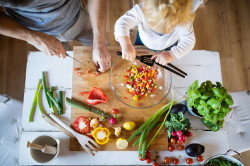
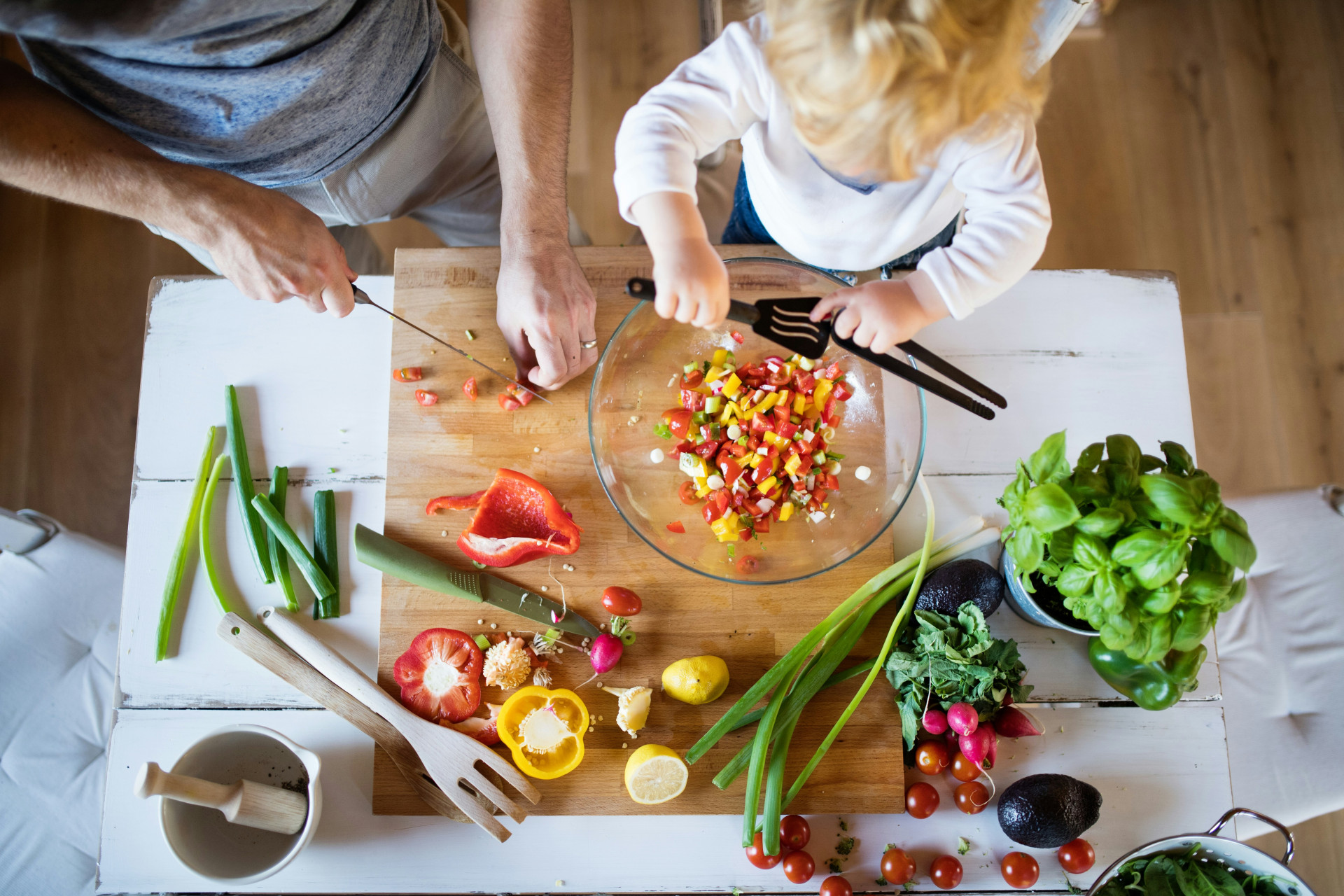
Cooking together as a family can be fun, educational, and a great way to connect. When kids take part in preparing meals, they don’t just learn practical skills—they also develop curiosity about flavors, ingredients, and healthy eating. Mealtime becomes something you create together, not just something that appears on the table. Here’s how to make the kitchen a place where kids can explore, learn, and enjoy.
Make the Kitchen a Safe and Fun Space
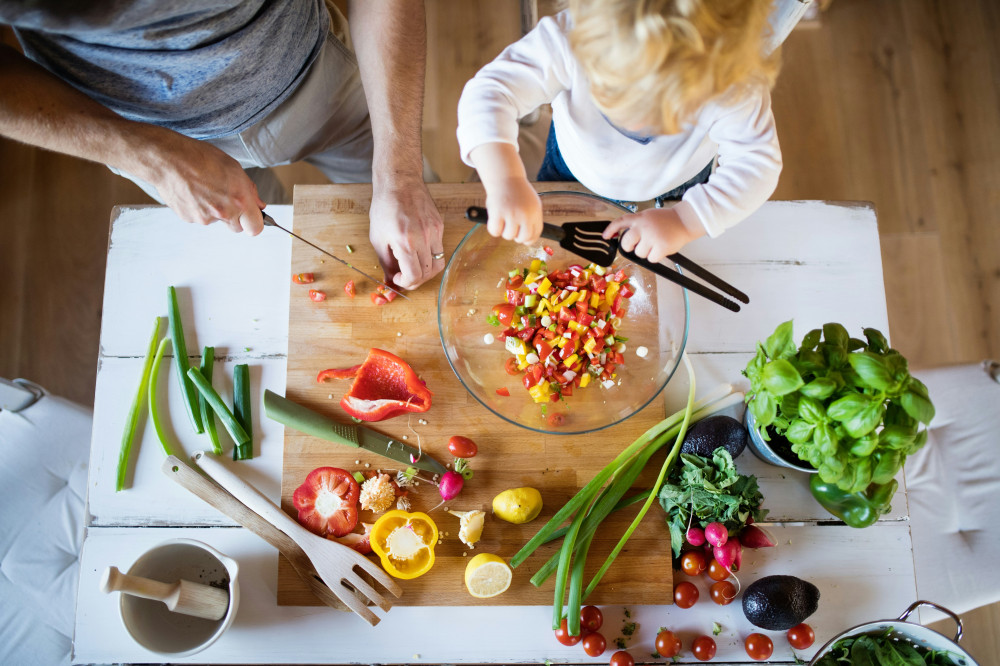
For many kids, the kitchen is full of mystery—sharp tools, hot surfaces, and delicious smells. The first step is to make it a safe and welcoming place. Let children touch, smell, and taste ingredients, and give them small tasks they can handle on their own. Washing vegetables, stirring batter, or setting the table are great starting points.
Try not to focus too much on speed or perfection. When kids feel relaxed and free to experiment, their confidence and interest grow. Set aside extra time for cooking together so there’s room for laughter, conversation, and the occasional mess.
Læs også:
Age-Appropriate Kitchen Tasks
Kids can join in the kitchen from a very young age—it’s all about matching the tasks to their abilities.
- Ages 2–4: Rinse fruits and veggies, pour ingredients into bowls, stir batter, and help decorate dishes.
- Ages 5–7: Cut soft foods with a child-safe knife, crack eggs, measure ingredients, and help set the table.
- Ages 8–10: Follow simple recipes, cook pancakes with supervision, and take charge of small dishes like salad or pasta sauce.
- Ages 11 and up: Plan meals, help with grocery shopping, and experiment with their own recipes.
By giving kids more responsibility as they grow, you’re teaching them not only how to cook but also how to plan, cooperate, and take pride in their work.
Turn Cooking into a Learning Experience
The kitchen is a natural classroom—without feeling like one. Measuring flour, counting eggs, or talking about where food comes from helps kids understand math, science, and culture in a hands-on way.
Cooking is also a great opportunity to talk about sustainability. Why do we choose seasonal produce? What does “organic” mean? How can we reduce food waste? These small conversations can help children see how their choices affect both their health and the planet.
Make It a Shared Experience
Cooking is most enjoyable when it feels like teamwork. Try setting up a weekly “family cooking night,” where kids get to choose the menu—maybe a “Taco Tuesday” or “Breakfast for Dinner” theme. Giving them a say makes them more invested and excited.
You can also invite grandparents or friends over for a meal the kids helped prepare. Seeing others enjoy their food builds pride and motivation to keep learning.
When Things Don’t Go as Planned
There will be days when the kitchen looks like a disaster zone and the meal doesn’t turn out as expected. That’s perfectly normal—and part of the learning process. Instead of fixing everything, use it as a chance to show that mistakes are okay. Maybe a burnt pizza becomes a “kitchen experiment” where you figure out what went wrong together.
The key is to keep the experience positive. Praise effort, not just results.
Building Healthy Habits from the Start
When kids help cook, they’re often more willing to try new foods. They learn what goes into their meals and why variety matters. You might let them pick a new fruit, vegetable, or spice to try each week—turning healthy eating into an adventure rather than a chore.
Cooking together isn’t just about getting dinner on the table. It’s about creating memories, strengthening family bonds, and giving kids skills and confidence they’ll carry for life.
Læs også: