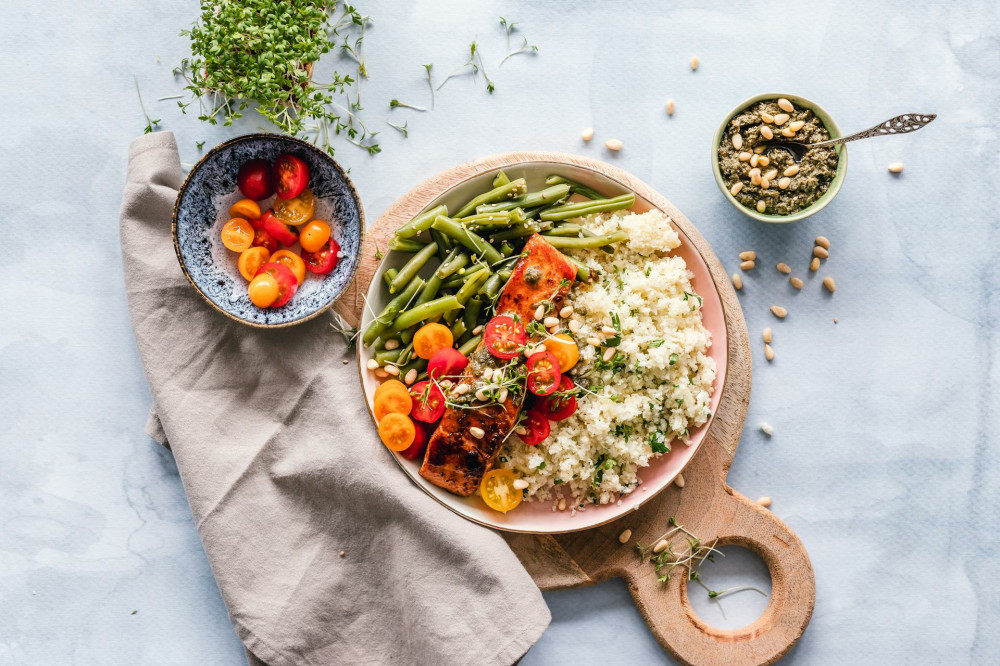
Office Lunch: Healthy, Satisfying Energy for a Desk Job

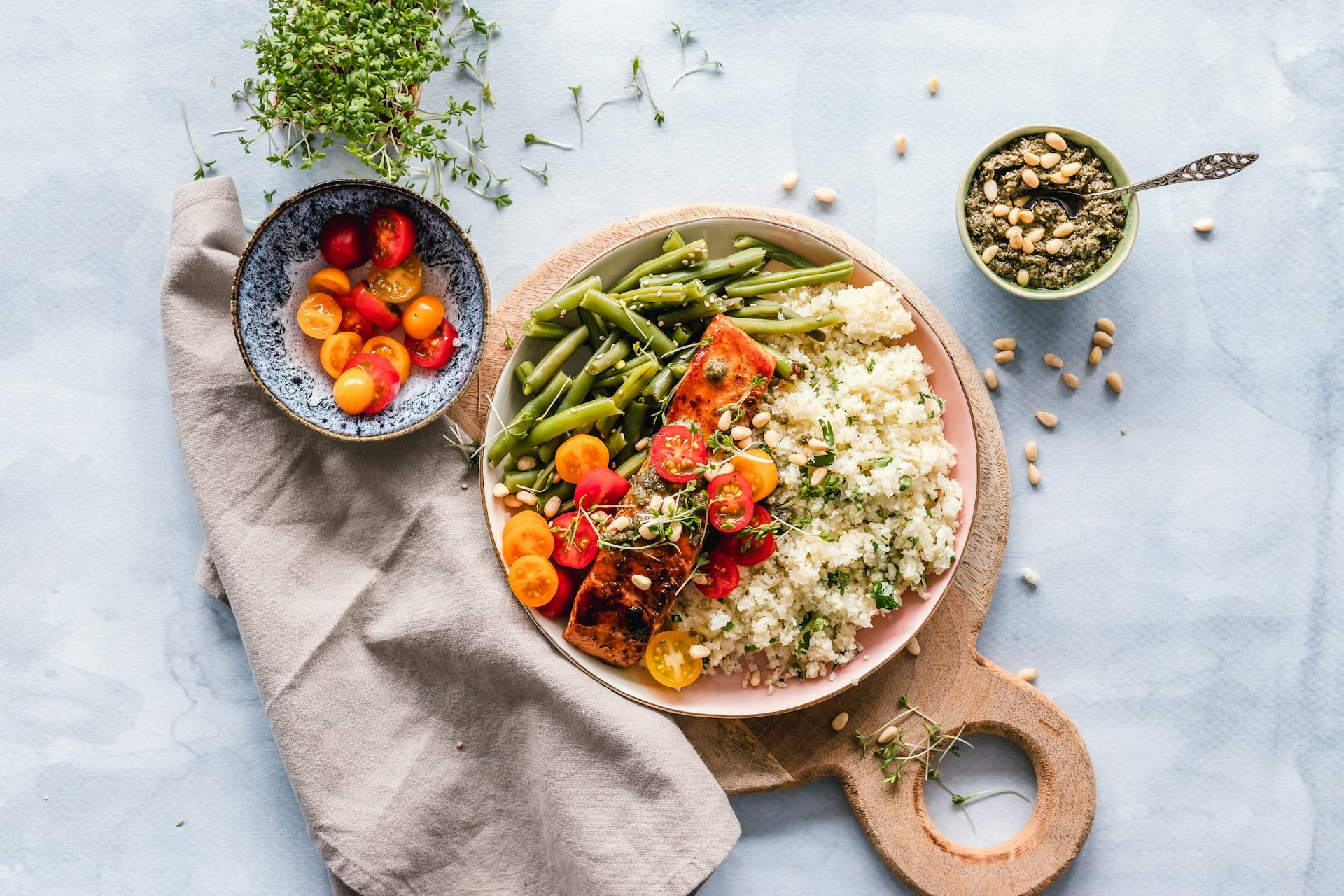
Office Lunch: Healthy, Satisfying Energy for a Desk Job
A long day at the office takes energy — but not just any kind. When you spend most of your day sitting, your body needs food that keeps your blood sugar steady, supports focus, and avoids that mid-afternoon slump. A good office lunch is all about balance: enough nourishment to satisfy you, but not so heavy that it slows you down. Here’s how to build a healthy, satisfying lunch that fits a desk job.
Think in Terms of Energy, Not Just Calories
If your workday doesn’t involve much physical activity, you don’t need a huge amount of calories — but you still need nutrients. That means the quality of what you eat matters more than the quantity.
Focus on foods that provide steady energy: whole grains, vegetables, lean proteins, and healthy fats. These keep you full longer and help maintain stable blood sugar levels. Try to limit refined carbs, sugary snacks, and sweetened drinks — they give a quick boost but often lead to fatigue and loss of concentration later.
Build a Lunch That Satisfies
A balanced office lunch can be built around three simple principles:
- Protein for fullness – such as chicken, eggs, tuna, beans, lentils, or Greek yogurt.
- Vegetables for volume and vitamins – aim for a variety of colors for more nutrients.
- Whole grains for steady energy – like whole wheat bread, brown rice, quinoa, or whole-grain pasta.
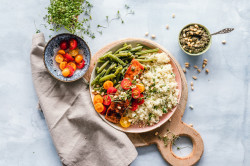
For example, try a whole-grain wrap with turkey, avocado, and spinach, or a quinoa salad with roasted vegetables and chickpeas. Add a sprinkle of nuts or seeds for extra flavor and healthy fats.
Make Variety Easy
The key to keeping lunch interesting is variety. Spend a little time on the weekend prepping a few basics you can mix and match throughout the week:
- Cook a batch of brown rice or quinoa for salads or grain bowls.
- Roast a tray of vegetables — like carrots, bell peppers, and broccoli — that will keep for several days.
- Whisk together a simple dressing with olive oil, lemon juice, and herbs.
- Hard-boil a few eggs or grill some chicken for quick protein options.
With these components ready, it only takes a few minutes in the morning to assemble a fresh, nourishing lunch.
Læs også:




Avoid the Afternoon Energy Crash
Many people feel their energy dip late in the day. Often, that’s because lunch was too heavy or too high in sugar. A good strategy is to eat a light but satisfying lunch and follow it up with a small afternoon snack.
A piece of fruit, a handful of nuts, or a small cup of Greek yogurt with berries can give you a steady energy lift without weighing you down. Try to skip the candy or soda “quick fix” — they tend to make you even more tired later.
Stay Hydrated — and Choose Wisely
Even mild dehydration can affect focus and make you feel sluggish. Keep a water bottle at your desk and sip throughout the day. Coffee and tea are fine in moderation, but try to limit added sugar and cream if you drink several cups.
If plain water feels boring, switch it up with sparkling water, herbal tea, or water infused with lemon or cucumber. Staying hydrated helps your body and mind stay sharp.
Make Lunch a Mini Break
Lunch isn’t just about food — it’s also a chance to give your brain a rest. If possible, step away from your screen while you eat. Take a short walk, sit in a break room, or find a quiet spot. It helps digestion and boosts focus for the rest of the day.
Turning lunch into a small ritual — something you look forward to — can also make healthy eating easier. Take a moment to plate your food nicely and enjoy it without rushing. It makes a bigger difference than you might think.
Small Changes, Big Results
You don’t need a total diet overhaul to eat better at work. Start with small swaps: choose whole-grain bread instead of white, add an extra serving of vegetables, or replace a sugary snack with nuts or fruit. Over time, you’ll notice steadier energy and better concentration.
A healthy office lunch isn’t just about nutrition — it’s an investment in your workday and your well-being.
Læs også: