The modern family - how do you create balance in everyday life?
This e-book will help you find the right balance between work life and family life. With practical advice and strategies, you get tools to handle stress and create time for family ties and quality time.
Get your e-book now

Kitchen Tools That Last: How to Choose and Care for Your Utensils


Make every meal easier with durable, well‑chosen kitchen tools
Food
Food
6 min
Discover how to select high‑quality utensils and keep them in top condition for years to come. From knives and pans to small gadgets, learn the secrets to choosing, cleaning, and storing tools that make cooking more enjoyable and efficient.
Saoirse Fisher
Saoirse
Fisher

Kitchen Tools That Last: How to Choose and Care for Your Utensils

Make every meal easier with durable, well‑chosen kitchen tools
Food
Food
6 min
Discover how to select high‑quality utensils and keep them in top condition for years to come. From knives and pans to small gadgets, learn the secrets to choosing, cleaning, and storing tools that make cooking more enjoyable and efficient.
Saoirse Fisher
Saoirse
Fisher

A great kitchen starts with the right tools—and with taking care of them. Whether you cook every day or only on weekends, the quality and maintenance of your utensils make a big difference. It’s not about having the most gadgets, but about choosing wisely and making what you have last for years. Here’s a guide to selecting and maintaining kitchen tools that perform well and stand the test of time.

Choose Quality Over Quantity

It’s tempting to fill drawers with every new gadget, but in reality, you only need a few reliable tools. Invest in fewer, better items that you’ll actually use.

  • Knives: A chef’s knife, a paring knife, and a serrated bread knife cover most needs. Look for full-tang construction (the blade runs through the handle) and a comfortable grip. German and Japanese brands are known for their craftsmanship and durability.
  • Pots and pans: Stainless steel and cast iron are classics that can last decades. Avoid cheap nonstick pans that wear out quickly—opt for high-quality coatings or learn to season and use cast iron.
  • Cutting boards: Wood and plastic each have advantages. Wood is gentle on knives and looks beautiful, while plastic is easy to sanitize. Many home cooks keep one of each—one for produce and one for meat.
  • Utensils: A sturdy spoon, spatula, tongs, and whisk will take you far. Skip flimsy plastic tools that can melt; choose wood, silicone, or stainless steel instead.

When buying new tools, pay attention to how they feel in your hand. A good utensil should feel balanced, solid, and comfortable—it should make you want to cook.

Caring for Your Knives

Knives are the most important tools in the kitchen—and the ones most often mistreated. With a little care, they can stay sharp and safe for years.

  • Use them properly: Always cut on wood or plastic boards, never on glass or stone, which dulls the blade.
  • Hand wash only: Dishwashers can damage both the edge and the handle. Rinse and dry knives immediately after use.
  • Keep them sharp: Use a honing steel regularly and have them professionally sharpened once or twice a year.
  • Store safely: Use a knife block, magnetic strip, or blade guard—never toss knives into a drawer.

A well-maintained knife makes cooking faster, easier, and safer.

Pots and Pans That Go the Distance

Cookware faces high heat, oil, and acids, so it needs a little attention to stay in shape.

  • Cast iron: After cleaning, rub with a thin layer of oil to maintain the seasoning. Avoid soap—use hot water and a stiff brush instead.
  • Stainless steel: Tough and versatile, but don’t let food burn onto the surface. If it does, simmer water with a bit of baking soda to loosen residue.
  • Nonstick: Use only wooden or silicone utensils and avoid high heat. When the coating starts to peel or scratch, it’s time to replace the pan.

With proper care, even expensive cookware pays for itself over time.

Cleaning and Maintaining Small Tools

Smaller utensils like graters, whisks, and tongs often get overlooked, but they need care too.

  • Clean right after use: This prevents food from drying and sticking.
  • Dry thoroughly: Especially for wooden tools—don’t soak them, as they can crack or warp.
  • Inspect regularly: Replace items that are rusty, frayed, or no longer work properly.

Clean, well-kept tools aren’t just more hygienic—they make cooking more enjoyable.

Smart Storage

How you store your tools affects how long they last. Avoid stacking heavy pots directly on top of each other; use felt or silicone pads between them. Hang utensils if you can—it keeps them organized and allows air to circulate.

Knives should never be loose in drawers, and wooden tools should be stored in a dry, airy spot. An organized kitchen not only looks better but also protects your tools from damage.

Knowing When to Replace

Even the best tools don’t last forever. A pan with a scratched coating, a knife with a loose handle, or a cutting board with deep grooves should be replaced. It’s not just about looks—it’s about hygiene and safety.

When buying new items, consider sustainable options: products made from recyclable materials, brands that offer replacement parts, or companies with repair and recycling programs.

A Kitchen That Lasts—and Inspires

Choosing and caring for your kitchen tools is ultimately about respect—for craftsmanship, for cooking, and for yourself. When your tools work well, cooking becomes easier and more enjoyable. And when you take care of them, they’ll take care of you.

A well-maintained kitchen isn’t just practical—it’s part of everyday joy. It’s where meals begin, and where good habits can last a lifetime.

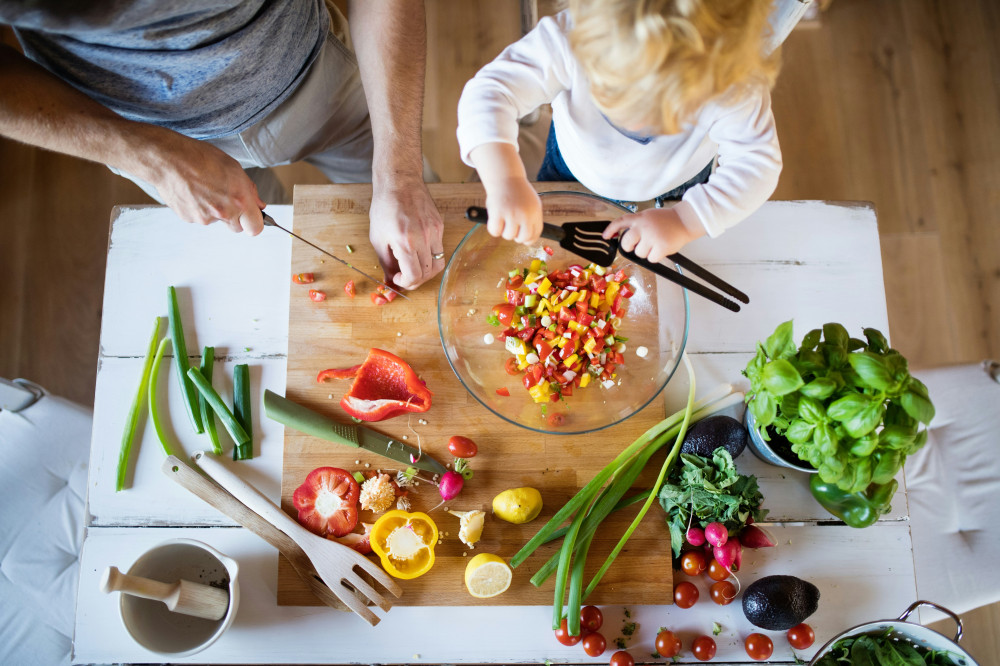
Curious Taste Buds: How to Get Kids Involved in the Kitchen
Turn everyday cooking into a fun and educational family adventure
Food
Food
Family Cooking
Kids Activities
Healthy Eating
Parenting
Food Education
5 min
Discover how to spark your children’s curiosity and confidence in the kitchen. From simple, age-appropriate tasks to creative learning moments, this guide shows how cooking together can strengthen family bonds and build healthy habits that last.
Zane Baker
Zane
Baker
Seasonal Ingredients on the Table – Bringing Variety to Everyday Meals All Year Round
Discover how seasonal ingredients can transform your everyday cooking into a year-round celebration of flavor and freshness
Food
Food
Seasonal Cooking
Fresh Ingredients
Sustainable Eating
Home Cooking
Food Inspiration
7 min
Embrace the rhythm of the seasons and make your meals more vibrant, sustainable, and inspiring. Learn how to choose ingredients at their peak, support local producers, and bring variety to your table throughout the year.
Evelyn Hall
Evelyn
Hall
Healthy Winter Dishes to Warm You on Cold Days
Discover wholesome, comforting recipes that make winter meals both nourishing and delicious
Food
Food
Healthy Recipes
Winter Cooking
Comfort Food
Seasonal Ingredients
Nutrition
5 min
When the cold sets in, warm up with healthy dishes that bring comfort without compromise. From hearty soups and stews to oven-baked favorites, explore how seasonal ingredients can turn winter cooking into a cozy, feel-good experience.
Logan Richards
Logan
Richards
Kitchen Tools That Last: How to Choose and Care for Your Utensils
Make every meal easier with durable, well‑chosen kitchen tools
Food
Food
Kitchen Tools
Cooking Tips
Home Essentials
Kitchen Care
Sustainable Living
6 min
Discover how to select high‑quality utensils and keep them in top condition for years to come. From knives and pans to small gadgets, learn the secrets to choosing, cleaning, and storing tools that make cooking more enjoyable and efficient.
Saoirse Fisher
Saoirse
Fisher
Office Lunch: Healthy, Satisfying Energy for a Desk Job
Smart lunch choices that keep you energized and focused all workday
Food
Food
Healthy Eating
Office Life
Nutrition
Workday Energy
Wellness
7 min
Discover how to create a balanced office lunch that fuels your body and mind. Learn simple strategies for steady energy, better concentration, and avoiding the afternoon slump — all without complicated meal prep.
Jonah King
Jonah
King
Shared Experiences, Strong Bonds: How to Strengthen Your Family Culture
Build lasting family connections through shared moments and meaningful traditions
Family life
Family life
Family
Parenting
Relationships
Traditions
Wellbeing
3 min
Discover how to strengthen your family culture by creating shared experiences, living your values, and nurturing everyday connections. Learn practical ways to build a sense of belonging and joy that grows with your family.
Zane Baker
Zane
Baker
When Cooperation Continues After Love: How to Maintain Respectful Communication With Your Former Partner
Learn how to communicate with your ex-partner in a way that fosters respect, clarity, and cooperation.
Family life
Family life
Communication
Relationships
Co-Parenting
Emotional Wellbeing
Conflict Resolution
6 min
Even after a relationship ends, shared responsibilities often remain. This article offers practical advice on maintaining respectful and effective communication with your former partner—whether you’re co-parenting, managing shared assets, or simply navigating a new kind of relationship.
Evelyn Hall
Evelyn
Hall
Small Breaks, Big Difference – Finding Presence in Family Life
Discover how small pauses can strengthen family bonds and bring calm to busy days
Family life
Family life
Family Life
Mindfulness
Parenting
Work-Life Balance
Wellbeing
5 min
In the rush of modern family life, it’s easy to lose sight of the moments that matter most. This article explores how short breaks, simple rituals, and mindful presence can transform everyday routines into opportunities for connection and balance.
Logan Richards
Logan
Richards