Choosing the Right Materials for Embroidery – From Fabric to Thread
Choosing the Right Materials for Embroidery – From Fabric to Thread
Embroidery is one of the oldest and most expressive forms of needlework. With just a needle, thread, and fabric, you can create everything from traditional cross-stitch samplers to modern textile art. But the success of your project depends greatly on the materials you choose. The right fabric, thread, and needle can make the difference between frustration and flow. Here’s a guide to help you select the best materials for your next embroidery project.
Fabric: The Foundation of Your Embroidery
Your choice of fabric sets the stage for your design and affects both the look and feel of your work.
- Aida cloth – the most popular choice for cross-stitch. Its grid-like weave makes it easy to count stitches and keep your design even. It comes in various counts, typically from 11 to 18 threads per inch.
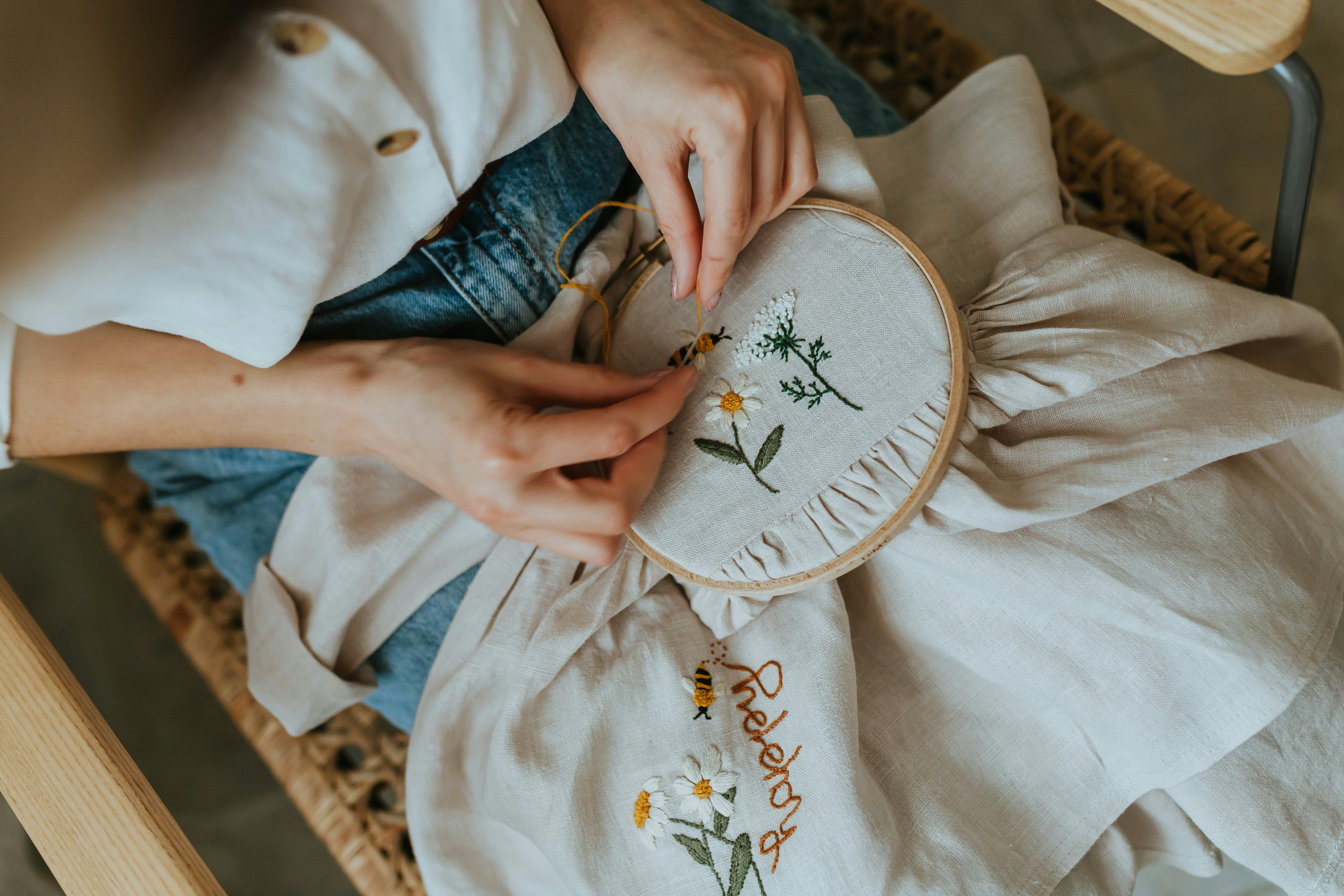
- Linen – a classic option for more advanced techniques like free embroidery or hardanger. Linen has a natural texture and elegant appearance, but its uneven weave can be challenging for beginners.
- Cotton fabric – soft, versatile, and easy to handle. It’s great for both beginners and experienced stitchers and works well for household items like pillows, napkins, and table runners.
- Silk or satin – luxurious fabrics that give a beautiful sheen to your work. They require a gentle touch, as they can snag or show needle marks easily.
When choosing fabric, think about how the finished piece will be used. For framed wall art, you can choose a delicate fabric. For items that will be handled or washed, a sturdier material is best.
Læs også:

Thread: Color, Shine, and Strength
Thread brings your embroidery to life. It adds color, texture, and personality to your design. There are many types of embroidery thread, each with its own qualities.
- Cotton floss – the most common type, especially for cross-stitch. It’s made of six strands that can be separated to adjust thickness. It’s available in hundreds of colors and is easy to work with.
- Perle cotton – a twisted, non-divisible thread with a glossy finish. It gives a more textured and decorative look, perfect for bold details.
- Wool thread – ideal for heavier fabrics like wool or canvas. It creates a warm, soft texture and is often used in crewel embroidery.
- Silk thread – smooth, shiny, and luxurious. It glides beautifully through fabric but can be slippery, so it takes a bit of practice.
- Metallic thread – adds sparkle and dimension. It can be stiff and prone to fraying, so use shorter lengths and a needle with a larger eye.
Investing in high-quality thread is worth it. Cheaper threads can fray, fade, or break, which can be frustrating during stitching.
Needles: Small Tools, Big Impact
The right needle makes stitching easier and more precise. Embroidery needles come in many sizes and types, and your choice depends on both fabric and thread.
- Tapestry needles have a large eye and blunt tip, perfect for cross-stitch and counted-thread work where you don’t want to pierce the fabric.
- Embroidery needles have a sharp point and smaller eye, ideal for free embroidery and detailed stitches.
- Crewel needles are similar to embroidery needles but slightly longer, making them great for wool or thicker threads.
As a rule of thumb, your needle should be large enough for the thread to pass through easily but not so large that it leaves visible holes in the fabric.
Hoops and Accessories
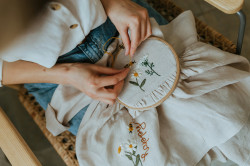
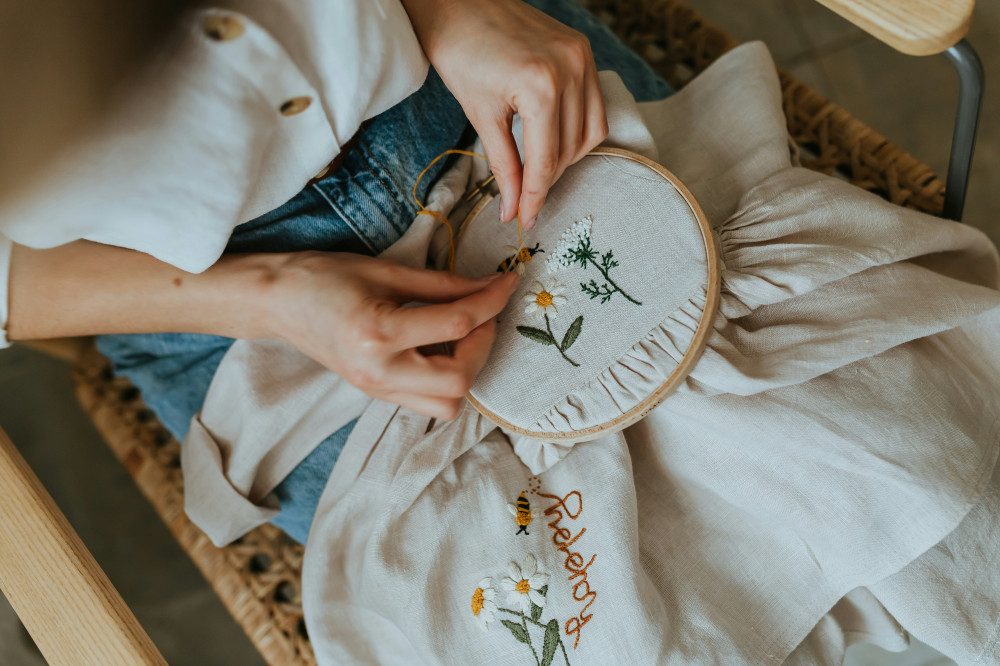
A good embroidery setup includes more than just fabric and thread. A hoop or frame keeps your fabric taut, helping your stitches stay even. Hoops come in wood, plastic, or metal and in many sizes—choose one that fits your project comfortably.
Other useful tools include:
- A sharp embroidery scissors for precise cutting.
- A needle minder or pincushion to keep track of your needles.
- A good light source or magnifying lamp to reduce eye strain.
Color and Design Choices
Once you’ve gathered your materials, the fun begins—choosing colors and patterns. Many beginners start with kits that include everything you need, but you can also design your own. Use color charts from thread manufacturers for inspiration, and experiment with contrasts, shades, and textures.
It’s a good idea to test your materials on a small fabric scrap before starting your main project. This helps you see how the thread and fabric interact and ensures you’re happy with the look.
Start Small and Build Confidence
If you’re new to embroidery, start with a small, simple project. A basic design on Aida cloth with cotton floss is a great way to learn the basics. As you gain experience, you can explore new materials, stitches, and techniques.
Embroidery isn’t just about the finished piece—it’s about the process: the calm, the rhythm, and the joy of creating something by hand. With the right materials, that experience becomes even more rewarding.
Læs også: