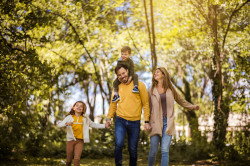
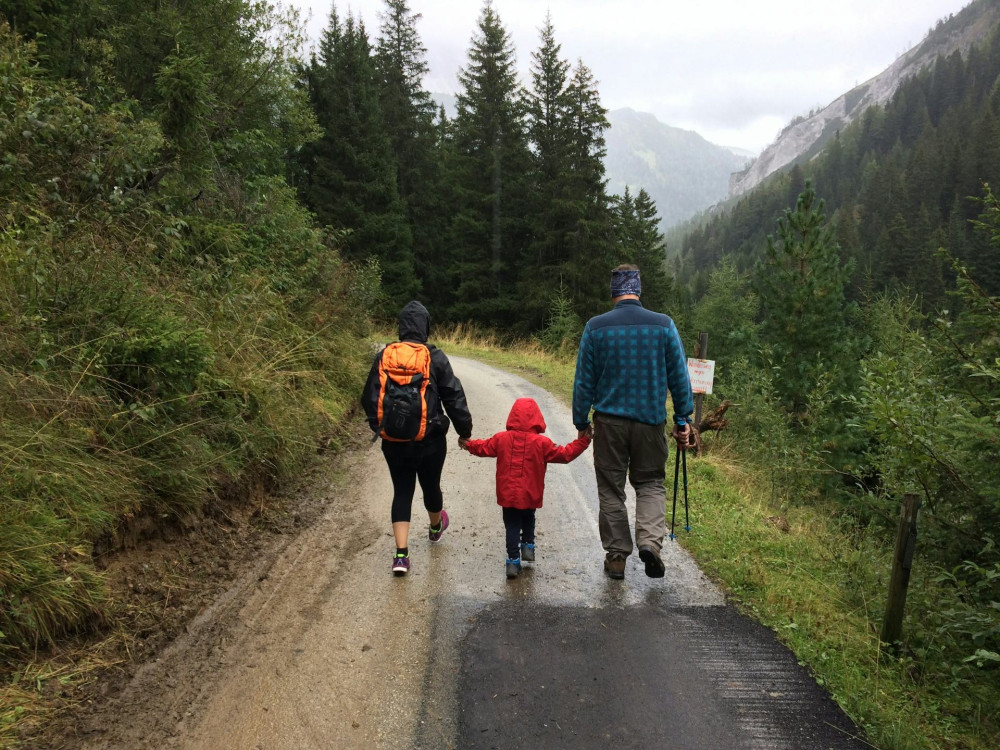
The modern family - how do you create balance in everyday life?
This e-book will help you find the right balance between work life and family life. With practical advice and strategies, you get tools to handle stress and create time for family ties and quality time.
Get your e-book now

Creative Combinations: When Felting Meets Sewing and Embroidery

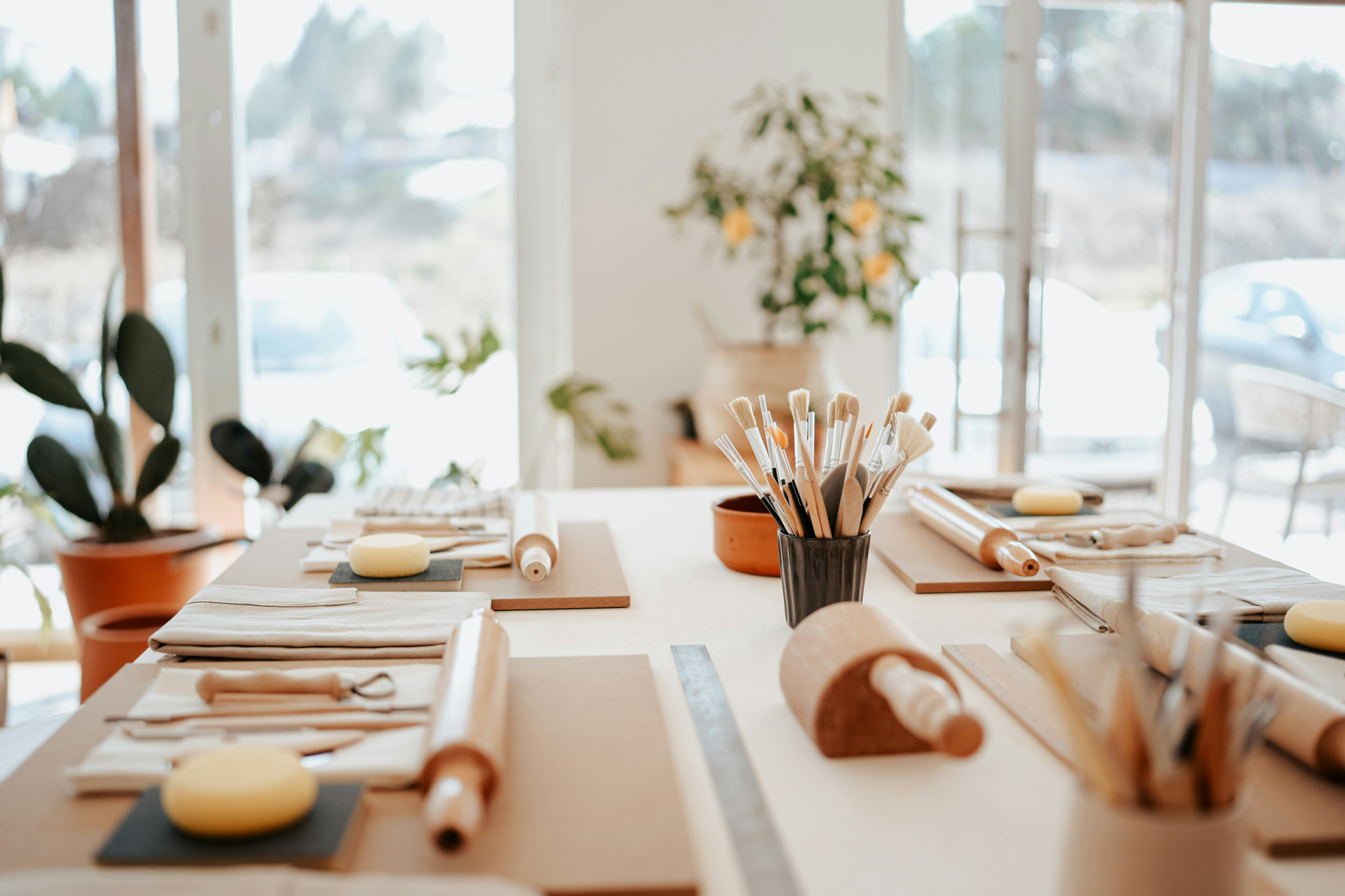
Discover how blending felting, sewing, and embroidery can transform your textile creations
Interests
Interests
6 min
Explore the art of combining felting, sewing, and embroidery to craft unique pieces full of texture, color, and personality. Learn how these techniques complement each other and find inspiration to start your own creative textile journey.
Logan Richards
Logan
Richards

Creative Combinations: When Felting Meets Sewing and Embroidery

Discover how blending felting, sewing, and embroidery can transform your textile creations
Interests
Interests
6 min
Explore the art of combining felting, sewing, and embroidery to craft unique pieces full of texture, color, and personality. Learn how these techniques complement each other and find inspiration to start your own creative textile journey.
Logan Richards
Logan
Richards

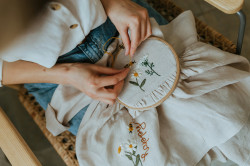
When craft becomes art, it often happens at the intersection of different techniques. Felting, sewing, and embroidery each have their own traditions and aesthetics, but when they come together, something truly special emerges—a blend of texture, color, and personality that invites both play and reflection. This article explores how you can combine these three techniques to create unique textile pieces that are as meaningful as they are beautiful.

Felting as the Foundation

Felting is one of the oldest textile techniques in the world. By working wool with water, soap, and motion, the fibers bind together into a dense, moldable fabric. Depending on how you handle it, felt can be soft and organic or firm and sculptural.

When used as a base for sewing and embroidery, felt provides a lively surface full of depth and texture. Its uneven surface creates a natural play of light and shadow that can be enhanced with thread, beads, or fabric scraps. You might felt a background in muted tones and then stitch bold patterns on top—or use needle felting to create shapes that you later embellish with embroidery.

Sewing as the Shaper

Sewing isn’t just about joining pieces of fabric—it’s also a way to define form and structure. When combined with felting, sewing allows you to create everything from small pouches and handbags to wall hangings and soft sculptures.

Because felted wool is dense, it can be challenging to sew through, but with a sharp needle and strong thread, you can achieve beautiful results. Use stitching to add structure: visible topstitching can form patterns, while decorative stitches like chain stitch or running stitch can highlight transitions between colors and materials.

Experiment with different types of thread—cotton, linen, silk, or even metallic yarn—to create contrast against the matte surface of felt. The interplay of materials adds richness and depth to your work.

Embroidery as the Personal Touch

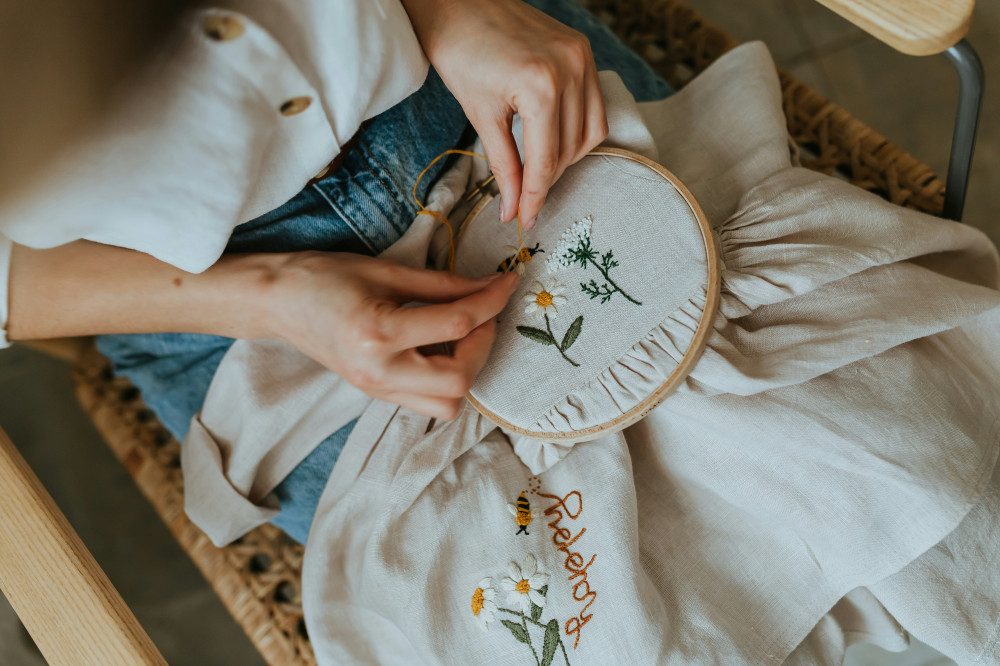
Embroidery is the art of detail. It’s where you can add story, symbolism, and emotion to your piece. On felted surfaces, embroidery takes on a distinctive look because the threads sink slightly into the material, becoming part of its texture.

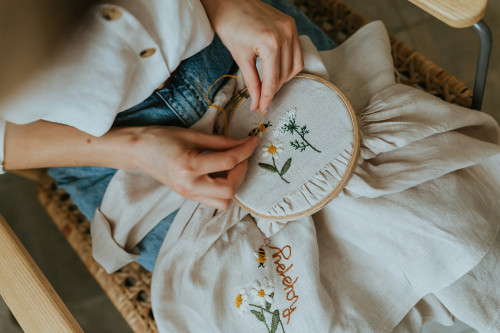
You can work with classic stitches like French knots, satin stitch, or backstitch—or experiment with free-form embroidery, letting the thread move like a brushstroke. Embroidery can outline shapes, add texture, or introduce small details that draw the eye.

A popular approach is to combine hand embroidery with machine stitching. The machine provides rhythm and repetition, while hand embroidery adds warmth and individuality.

Color, Materials, and Inspiration

When mixing techniques, it’s important to think holistically. Start with a color palette that ties your project together—perhaps inspired by nature, the seasons, or a particular theme. The natural tones of wool can serve as a calm base, while thread and fabric bring life and contrast.

Your materials don’t have to be new. Old wool sweaters, fabric remnants, and leftover yarn can all find new purpose in creative combinations. This sustainable approach adds meaning to your process—you’re transforming what might have been discarded into something beautiful and lasting.

Look for inspiration in textile artists, natural forms, or everyday patterns. A leaf, a stone, or even a piece of music can spark an idea for an entire work.

Getting Started

If you’re new to combining felting, sewing, and embroidery, start small:

  1. Make a small felt sample – Try both wet felting and needle felting to feel the difference.
  2. Sew a simple shape – A small pouch or hanging ornament is a great first project.
  3. Add embroidery – Begin with a few stitches and build from there.

As you grow more comfortable with the materials, you can move on to larger projects and more complex designs. The key is to enjoy the process—handcrafting is as much about mindfulness and exploration as it is about the finished piece.

Where Techniques Meet, Magic Happens

Felting, sewing, and embroidery are each powerful forms of expression, but together they become something more. The combination opens endless possibilities—from functional objects to artistic experiments. It’s not about mastering everything at once, but about letting the techniques inspire one another.

Once you experience how thread, texture, and form merge, you’ll understand why so many textile artists describe their craft as a kind of meditation. It’s creativity in its most tactile form—a living, evolving art that connects hands, heart, and imagination.

Sewing as Therapy: Find Calm and Focus with Needle and Thread
Discover how the simple act of sewing can bring mindfulness, creativity, and calm into your daily life
Interests
Interests
Sewing
Mindfulness
Creativity
Wellbeing
Slow Living
7 min
In today’s fast-paced world, sewing offers more than just a way to make or mend clothes—it provides a mindful escape that soothes the mind and nurtures creativity. Learn how this timeless craft can help you slow down, focus, and find balance through the rhythm of needle and thread.
Zane Baker
Zane
Baker
Team Disagreements? How to Turn Frustration into Collaboration
Turn team tension into trust and stronger collaboration
Interests
Interests
Teamwork
Communication
Leadership
Conflict Resolution
Collaboration
7 min
Conflicts don’t have to divide your team—they can be the spark for better communication and shared success. Learn how to recognize the root of disagreements, handle them constructively, and transform frustration into productive teamwork.
Evelyn Hall
Evelyn
Hall
Creative Combinations: When Felting Meets Sewing and Embroidery
Discover how blending felting, sewing, and embroidery can transform your textile creations
Interests
Interests
Felting
Sewing
Embroidery
Textile Art
Creative Crafts
6 min
Explore the art of combining felting, sewing, and embroidery to craft unique pieces full of texture, color, and personality. Learn how these techniques complement each other and find inspiration to start your own creative textile journey.
Logan Richards
Logan
Richards
Choosing the Right Materials for Embroidery – From Fabric to Thread
Discover how the right fabric, thread, and tools can transform your embroidery projects
Interests
Interests
Embroidery
Needlework
Crafting
Textiles
DIY
2 min
Choosing the right materials is key to beautiful and lasting embroidery. Learn how to select the best fabric, thread, and accessories to match your design, skill level, and creative vision.
Saoirse Fisher
Saoirse
Fisher
Pottery for Beginners: Learn to Shape Clay on the Wheel
Discover the joy of shaping clay and creating your first handmade pottery pieces
Interests
Interests
Pottery
Ceramics
Crafts
DIY
Art
4 min
Step into the world of pottery and learn the basics of wheel throwing. From choosing the right clay to mastering simple techniques, this beginner’s guide will help you craft beautiful bowls, mugs, and vases while finding calm in the creative process.
Jonah King
Jonah
King
Shared Experiences, Strong Bonds: How to Strengthen Your Family Culture
Build lasting family connections through shared moments and meaningful traditions
Family life
Family life
Family
Parenting
Relationships
Traditions
Wellbeing
3 min
Discover how to strengthen your family culture by creating shared experiences, living your values, and nurturing everyday connections. Learn practical ways to build a sense of belonging and joy that grows with your family.
Zane Baker
Zane
Baker
When Cooperation Continues After Love: How to Maintain Respectful Communication With Your Former Partner
Learn how to communicate with your ex-partner in a way that fosters respect, clarity, and cooperation.
Family life
Family life
Communication
Relationships
Co-Parenting
Emotional Wellbeing
Conflict Resolution
6 min
Even after a relationship ends, shared responsibilities often remain. This article offers practical advice on maintaining respectful and effective communication with your former partner—whether you’re co-parenting, managing shared assets, or simply navigating a new kind of relationship.
Evelyn Hall
Evelyn
Hall
Small Breaks, Big Difference – Finding Presence in Family Life
Discover how small pauses can strengthen family bonds and bring calm to busy days
Family life
Family life
Family Life
Mindfulness
Parenting
Work-Life Balance
Wellbeing
5 min
In the rush of modern family life, it’s easy to lose sight of the moments that matter most. This article explores how short breaks, simple rituals, and mindful presence can transform everyday routines into opportunities for connection and balance.
Logan Richards
Logan
Richards