Sewing as Therapy: Find Calm and Focus with Needle and Thread

Sewing as Therapy: Find Calm and Focus with Needle and Thread
In a world that moves at lightning speed, filled with constant notifications and endless to-do lists, many Americans are rediscovering the soothing power of working with their hands. Sewing—once seen mainly as a practical skill—has found new life as a form of therapy, offering a quiet space where the mind can rest while the hands create.
When the Hands Work, the Mind Finds Peace
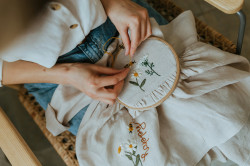
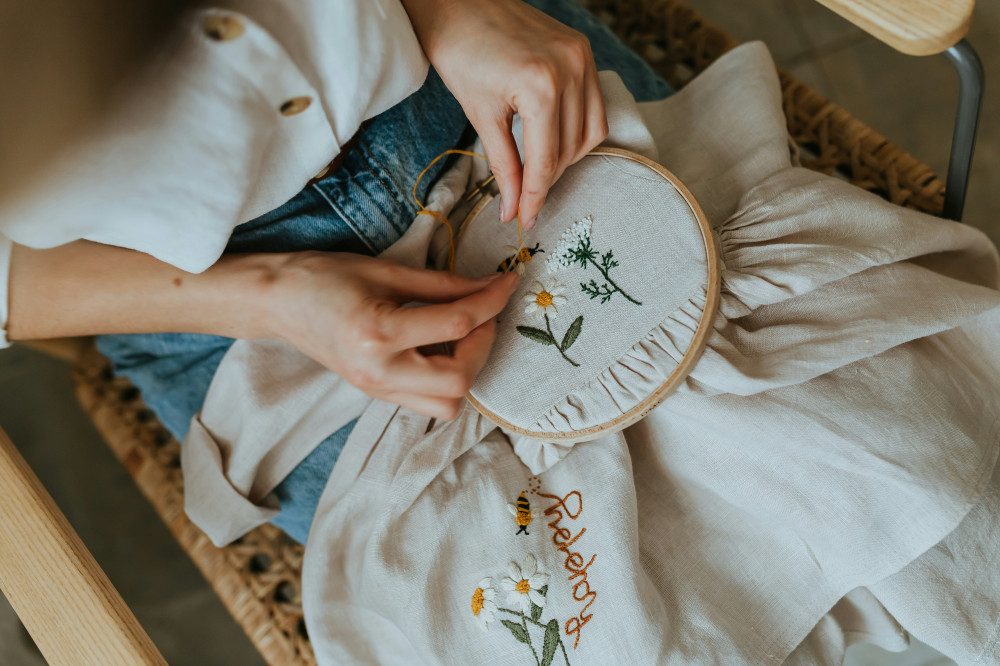
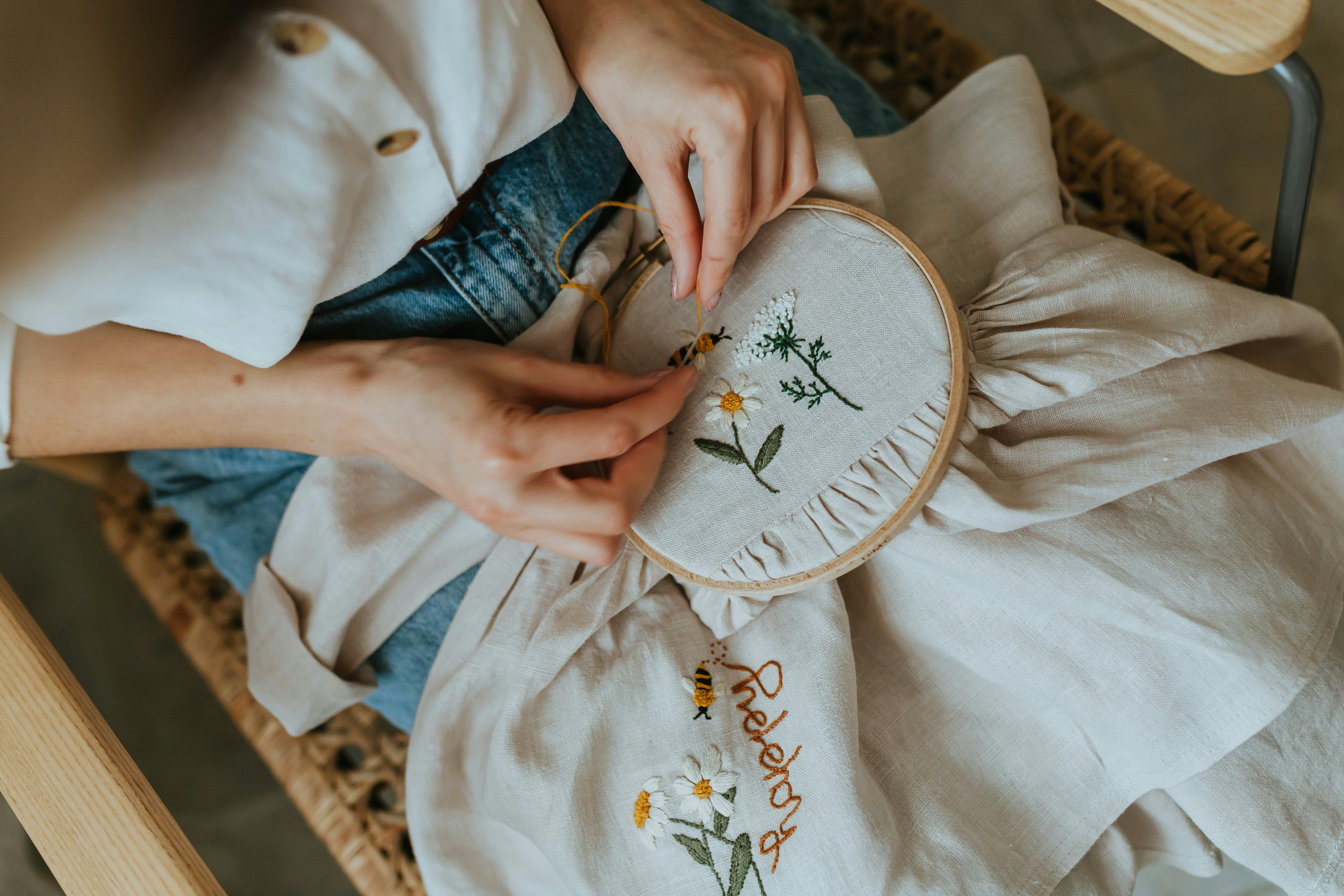
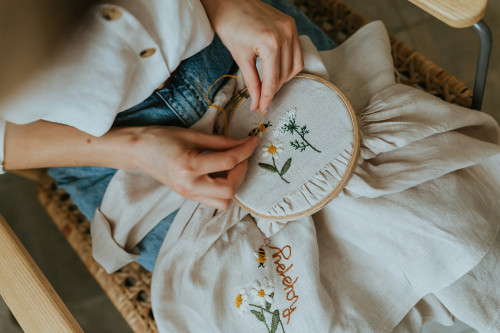
There’s something deeply grounding about guiding a needle through fabric, feeling the texture beneath your fingers, and watching a project slowly take shape. Sewing demands focus, but in a gentle, rhythmic way that can feel almost meditative. Many people describe losing track of time as they sew, their worries fading into the background with each stitch.
Research on handcrafts and mindfulness supports this experience: repetitive, purposeful movements can lower stress levels, slow the heart rate, and promote a sense of well-being. It’s not about perfection—it’s about presence.
Læs også:

A Creative Refuge in Everyday Life
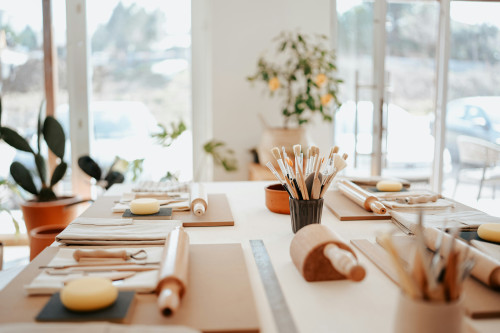
Sewing offers a chance to express creativity, whether you’re making clothes, home décor, or small accessories. It’s a way to create something personal and meaningful, while also taking control of what you consume. When you sew, you choose the materials, colors, and designs—and you can breathe new life into old garments instead of throwing them away.
For many, sewing becomes a cherished ritual. It might be sitting down with a cup of tea, turning on some music or a favorite podcast, and letting the simple act of stitching bring calm to a busy day.
Small Projects, Big Benefits
You don’t need to be an expert to experience the therapeutic effects of sewing. In fact, starting small can be the best way to begin. A simple pillowcase, tote bag, or patch repair can be enough to feel the satisfaction of creating something with your own hands.
As you grow more comfortable with the process—how the fabric moves, how the thread behaves—you can take on larger projects. But the goal isn’t the finished product; it’s the process itself, and the peace that comes with it.
Connection and Community
While sewing is often a solitary activity, it can also bring people together. Across the U.S., sewing circles, community workshops, and online groups are thriving. These spaces offer a chance to share patterns, tips, and encouragement. There’s no competition—just a shared appreciation for the craft.
Sewing with others can foster a sense of belonging and support. It’s a reminder that creativity and connection often go hand in hand.
Sewing and Sustainable Living
Beyond its mental health benefits, sewing can also bring a sense of purpose. Repairing, reusing, and creating your own items contributes to a more sustainable lifestyle. There’s real satisfaction in mending a favorite shirt or transforming fabric scraps into something new instead of adding to waste.
In this way, sewing becomes more than therapy for the mind—it’s also a mindful step toward a more conscious and responsible way of living.
A Quiet Countermovement
In an age dominated by screens and instant gratification, sewing stands as a quiet countermovement. It reminds us of the value of patience, presence, and the simple joy of making something with care.
To sew is to give yourself permission to slow down—to create something slowly, thoughtfully, and with intention. And perhaps that’s exactly what many of us need: a moment to breathe deeply, let the mind settle, and find joy in the gentle rhythm of needle and thread.
Læs også: